
Introduction
In the sector of maternal care and childbirth, midwifery plays a important role in providing holistic, personalized, and woman-centered care. Ways of becoming a midwife are direct-entry midwifery programs and nurse-midwifery programs. While both paths lead to the same overarching goal of facilitating safe and satisfying childbirth experiences, they differ significantly in their educational approach, scope of practice, and professional backgrounds. This comprehensive analysis aims to explore and delineate the disparities between direct-entry midwifery programs and nurse-midwifery programs, shedding light on their unique characteristics and contributions to maternal healthcare.
Direct-Entry Midwifery Programs
Direct-entry midwifery programs are designed for individuals who aspire to become midwives without prior nursing education or experience. These programs typically emphasize the art and science of midwifery care, focusing on reproductive health, childbirth, and postpartum support. The educational curriculum encompasses a broad spectrum of topics, including anatomy and physiology, prenatal care, labor management, newborn care, breastfeeding support, and women’s health issues.
One of the defining features of direct-entry midwifery programs is the emphasis on hands-on clinical experience. Students engage in apprenticeships or clinical placements under the guidance of experienced midwives, where they acquire practical skills and gain exposure to diverse birthing settings. This experiential learning approach allows aspiring midwives to develop competence in providing personalized, woman-centered care while cultivating strong interpersonal and communication skills.
Direct-entry midwifery programs often prioritize natural childbirth and promote a holistic approach to maternal care. Students are trained to support physiological birth processes and advocate for non-interventional care whenever possible. Additionally, these programs may incorporate complementary therapies such as massage, hydrotherapy, and herbal remedies into their practice, aligning with the principles of holistic healthcare.
Upon completion of a direct-entry midwifery program, graduates are eligible to pursue certification through organizations such as the North American Registry of Midwives (NARM) or the Midwifery Education Accreditation Council (MEAC). Certified Professional Midwives (CPMs) are recognized as independent practitioners who primarily attend out-of-hospital births, including home births and birth center deliveries. Direct-entry midwives may work autonomously or collaborate with other healthcare providers, depending on legal regulations and practice guidelines in their respective jurisdictions.
Nurse-Midwifery Programs
Nurse-midwifery programs, on the other hand, are tailored for registered nurses (RNs) who seek advanced education and training in midwifery. These programs build upon the foundation of nursing knowledge and clinical experience, integrating midwifery principles and practices into the curriculum. Nurse-midwifery students undergo rigorous academic coursework and clinical rotations, covering a wide range of subjects such as pharmacology, pathophysiology, antepartum care, intrapartum management, and gynecological care.
One distinguishing characteristic of nurse-midwifery programs is the dual focus on nursing and midwifery care. Students learn to provide comprehensive healthcare services to women across the lifespan, addressing not only reproductive needs but also primary care and wellness promotion. The nursing component of the curriculum emphasizes evidence-based practice, health promotion, disease prevention, and collaborative care within interdisciplinary healthcare teams.
Clinical training in nurse-midwifery programs typically takes place in hospital settings, where students have the opportunity to work alongside obstetricians, nurses, and other healthcare professionals. This exposure enables aspiring nurse-midwives to manage high-risk pregnancies, handle obstetric emergencies, and collaborate effectively in the multidisciplinary care of women and newborns. Nurse-midwifery students also participate in labor and delivery rotations, gaining proficiency in physiological childbirth and the use of medical interventions when necessary.
Graduates of nurse-midwifery programs are eligible to become Certified Nurse-Midwives (CNMs) upon passing the national certification examination administered by the American Midwifery Certification Board (AMCB). CNMs are licensed independent practitioners who are authorized to provide a wide range of healthcare services, including prenatal care, labor and delivery management, postpartum care, family planning, and gynecological services. They practice in various settings, including hospitals, birth centers, clinics, and private practices, collaborating with obstetricians, pediatricians, and other healthcare professionals to optimize maternal and neonatal outcomes.
Differences and Similarities
While direct-entry midwifery programs and nurse-midwifery programs share a common goal of promoting safe and satisfying childbirth experiences, they differ in several key aspects:
Differences between Direct-Entry Midwifery vs. Nurse-Midwifery Programs
Educational Background
Direct-entry midwifery programs accept students without prior nursing education, focusing solely on midwifery training. In contrast, nurse-midwifery programs require applicants to hold a nursing degree and RN licensure, integrating nursing and midwifery education.
Scope of Practice
Certified Professional Midwives (CPMs) primarily attend out-of-hospital births and often advocate for natural childbirth and non-interventional care. Certified Nurse-Midwives (CNMs) have a broader scope of practice, encompassing both in-hospital and out-of-hospital births, and are trained to manage low- to high-risk pregnancies with a focus on collaborative care.
Clinical Settings
Direct-entry midwifery students typically gain clinical experience in home birth settings, birth centers, and community clinics. Nurse-midwifery students undergo clinical training in hospital-based settings, where they manage a diverse caseload of pregnancies, deliveries, and gynecological conditions.
Legal Recognition
The scope of practice and regulatory status of midwives vary by state and country. In some jurisdictions, CPMs are legally recognized and regulated as independent practitioners, while in others, they may face restrictions on their ability to practice autonomously. CNMs are recognized and licensed in all 50 U.S. states, allowing them to practice independently and prescribe medications.
Similarities between Direct-Entry Midwifery vs. Nurse-Midwifery Programs
Emphasis on Holistic Care:
Both direct-entry midwifery programs and nurse-midwifery programs prioritize holistic care, viewing pregnancy and childbirth as natural processes deserving personalized attention. They emphasize the physical, emotional, and psychological aspects of pregnancy and childbirth, acknowledging the interconnectedness of maternal health with social, cultural, and environmental factors. Whether attending home births, providing prenatal care, or assisting with labor and delivery in hospital settings, midwives from both pathways prioritize individualized care that respects the autonomy and preferences of birthing individuals.
Commitment to Evidence-Based Practice:
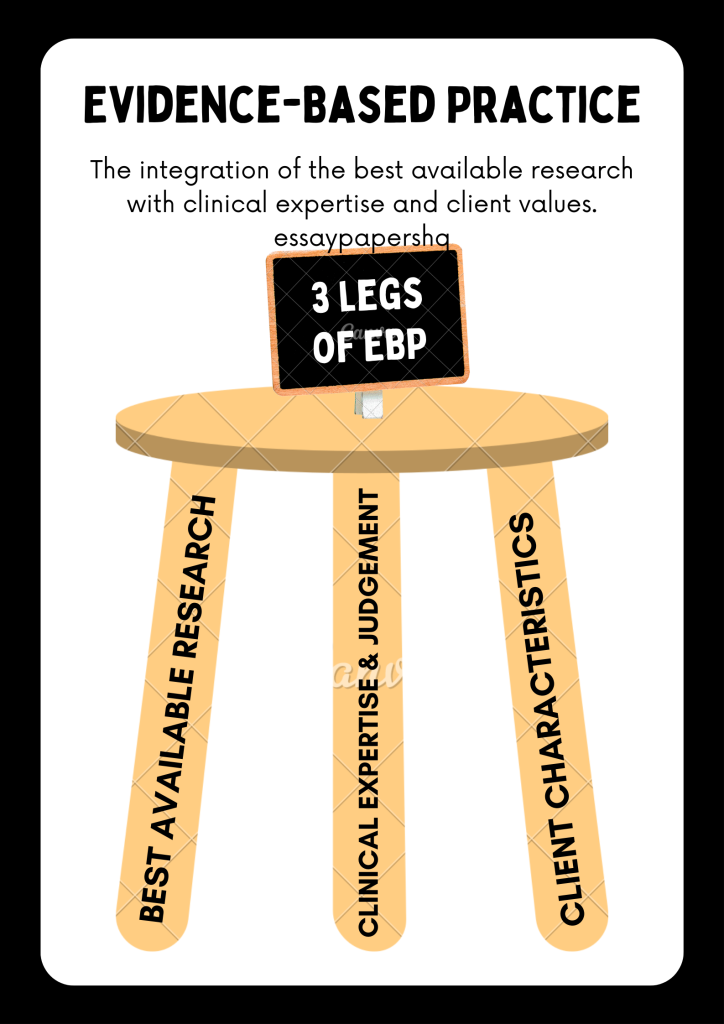
Another significant similarity between direct-entry midwifery programs and nurse-midwifery programs lies in their commitment to evidence-based practice. Midwives in both categories undergo rigorous training that equips them with the knowledge and skills to provide care grounded in scientific evidence, research, and best practices. They stay updated on the latest advancements in maternal and newborn healthcare, incorporating evidence-based guidelines into their clinical decision-making process. Whether conducting prenatal assessments, facilitating childbirth, or managing postpartum care, midwives rely on evidence to guide their practice and ensure optimal outcomes for birthing individuals and their babies.
Advocacy for Informed Choice and Shared Decision-Making:
Both direct-entry midwifery programs and nurse-midwifery programs emphasize the importance of informed choice and shared decision-making in maternity care. Midwives from both pathways prioritize empowering birthing individuals by providing comprehensive information about their options, risks, and benefits throughout the childbirth continuum. They foster collaborative relationships with clients, encouraging active participation in decision-making processes regarding their care plans, birth preferences, and interventions. By promoting autonomy and informed decision-making, midwives advocate for respectful and patient-centered care experiences that align with the values and preferences of the individuals they serve.
Recognition of Cultural Competence and Diversity:
Direct-entry midwifery programs and nurse-midwifery programs recognize the significance of cultural competence and diversity in maternity care. Midwives undergo training that emphasizes the importance of cultural sensitivity, humility, and inclusivity in their interactions with diverse populations. They acknowledge the influence of cultural beliefs, traditions, and practices on pregnancy and childbirth experiences, striving to provide culturally responsive care that respects and honors the cultural backgrounds of their clients. Whether serving immigrant communities, indigenous populations, or marginalized groups, midwives from both pathways prioritize culturally competent care delivery that promotes equity, dignity, and social justice.
Collaboration within Interprofessional Healthcare Teams:
Collaboration within interprofessional healthcare teams is another shared characteristic of direct-entry midwifery programs and nurse-midwifery programs. Midwives recognize the value of teamwork and collaboration in optimizing maternal and newborn outcomes, working alongside obstetricians, nurses, pediatricians, doulas, and other healthcare providers to provide comprehensive and coordinated care. They contribute their unique expertise in normal childbirth and low-risk pregnancy while collaborating with other members of the healthcare team to address complex medical conditions, emergencies, and obstetric complications. Through effective communication, mutual respect, and interdisciplinary collaboration, midwives enhance the quality and safety of maternity care delivery across various healthcare settings.