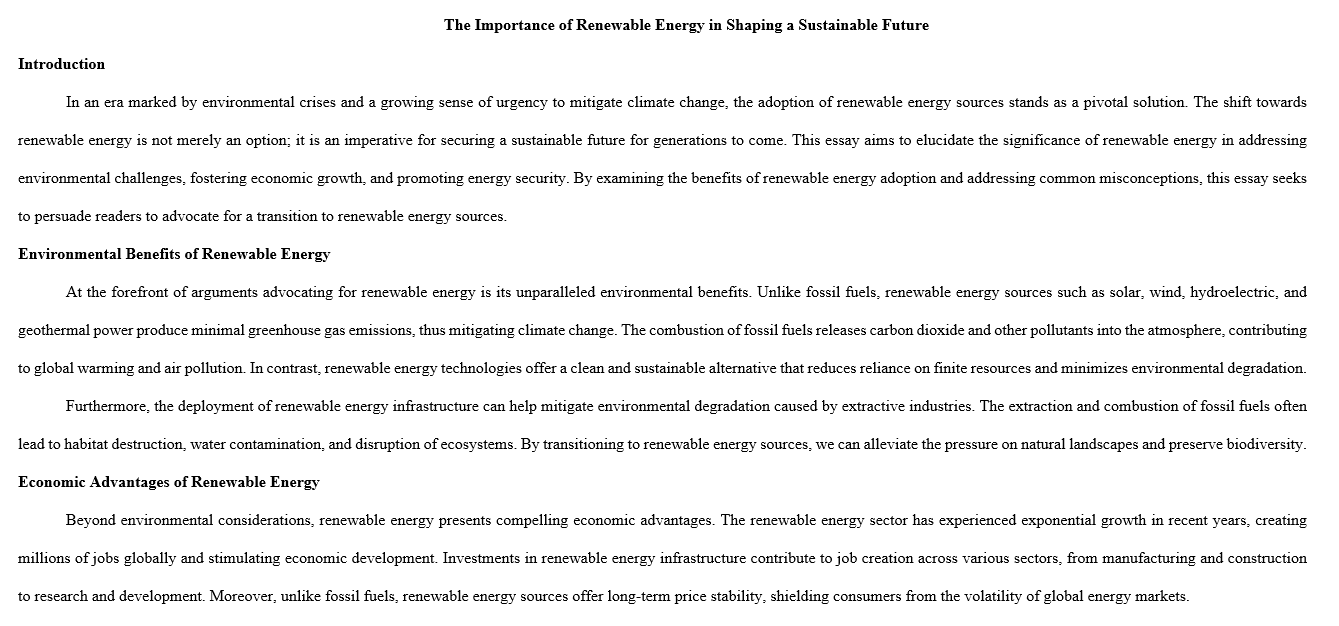
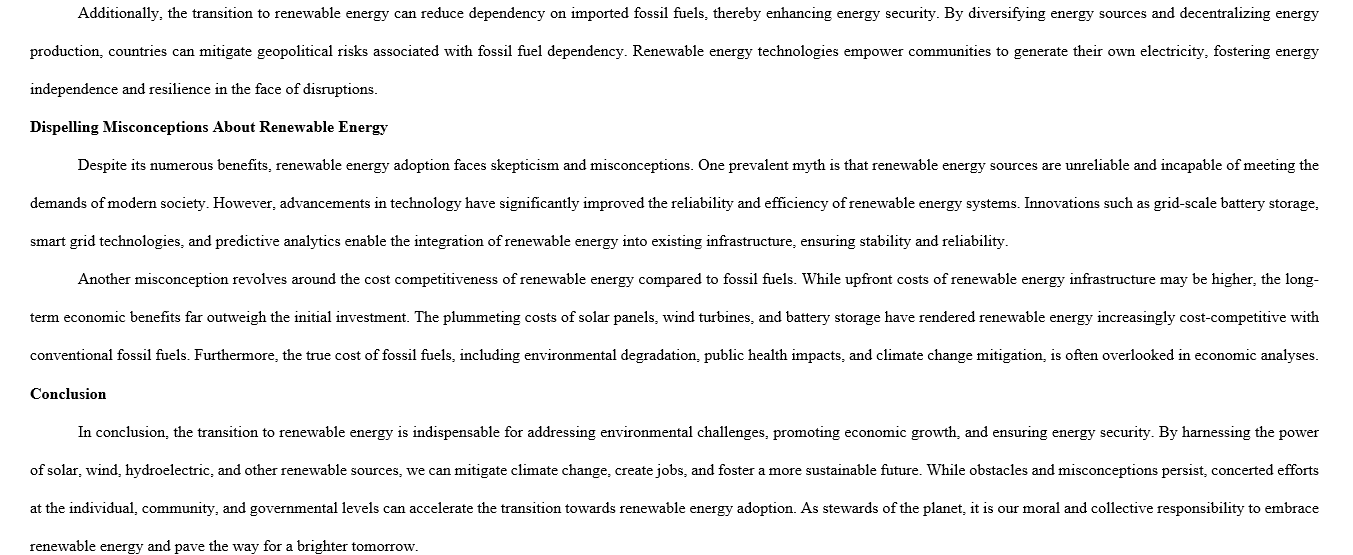
Introduction
1 Understanding the Persuasive Essay
Before looking into the sections of persuasive writing, it’s essential to understand its core purpose. A persuasive essay is a type of academic writing specifically crafted to convince the reader to adopt a particular viewpoint or support an argument. Unlike expository essays that provide factual information, persuasive essays seek to influence the audience’s beliefs, emotions, and actions. They can be used to champion a social cause, engage in debates, or promote a specific idea or product, serving as a powerful tool to effectively convey your stance on any given subject.
Persuasive Essay
2 Choosing a Compelling Topic for a Persuasive Essay
To write a persuasive essay that grabs readers’ attention and delivers an effective message, choosing a captivating topic is essential. Pick a topic that not only stirs debate but also connects with your audience on a personal level or reflects significant societal issues. Look for topics that evoke emotions, challenge perspectives, or tackle urgent problems. Choose a topic that aligns with your interests and knowledge, as this will make your writing more genuine and believable.
Select topics that allow for multiple viewpoints and arguments to ensure a well-balanced and thought-provoking piece. By doing so, you can present a compelling case and enhance the persuasive impact of your essay. Ultimately, a compelling topic serves as the foundation upon which you can build a persuasive narrative, inspiring readers to engage with your ideas and consider your perspective.
3 Crafting a Persuasive Thesis Statement
4 Research and Evidence Gathering
5 Structuring Your Persuasive Essay
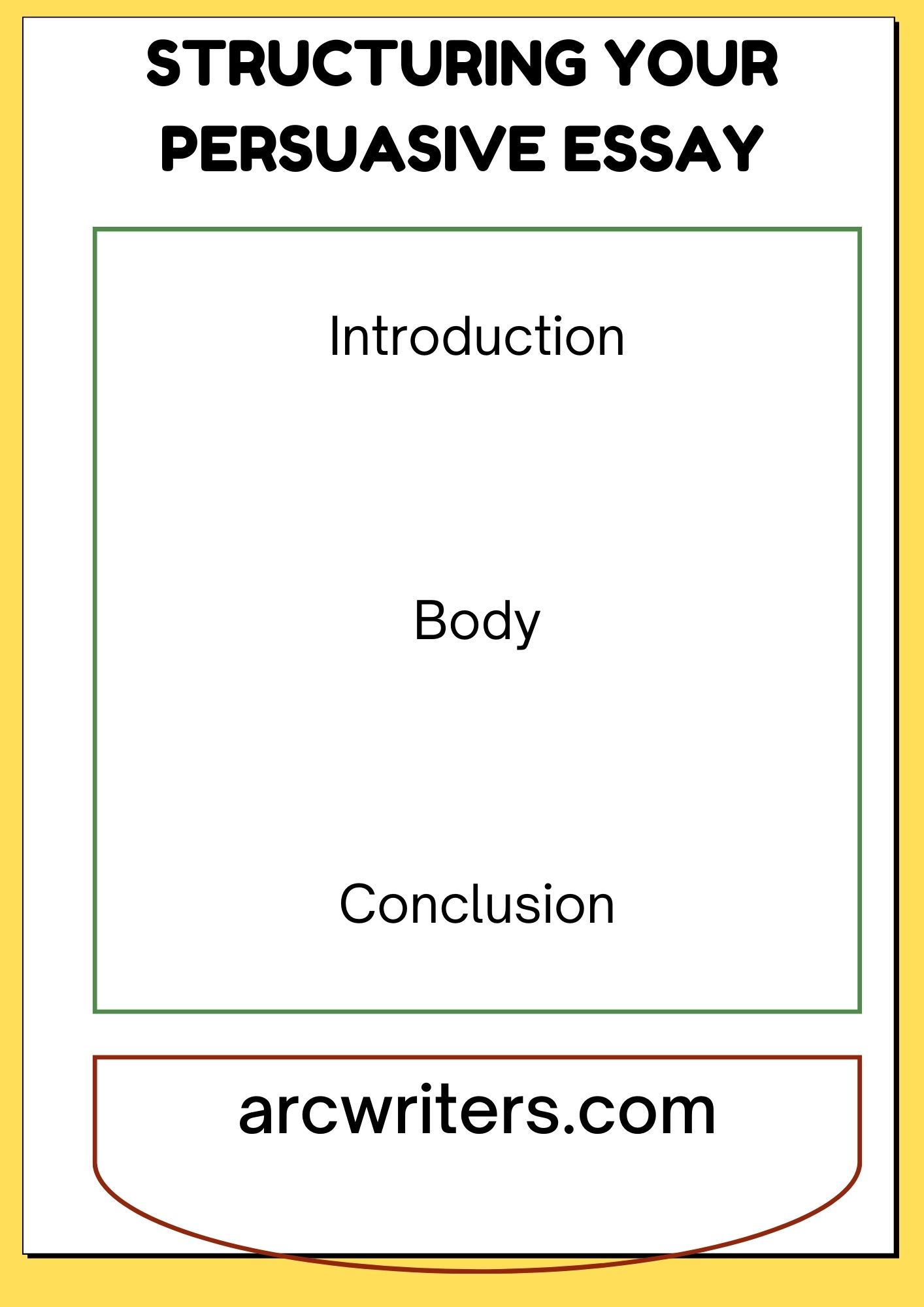
A well-structured essay forms the backbone of persuasive writing, enabling you to convey your arguments coherently and convincingly. The traditional structure of a persuasive essay typically comprises three main sections: introduction, body paragraphs, and conclusion.
Structure
Introduction:
Body Paragraphs:
In the middle paragraphs of a persuasive essay, the main points are presented. Each paragraph focuses on one key argument, supported by evidence, examples, or logical reasoning. This is where the writer uses their most persuasive techniques to convince the reader. They use emotional appeals, logical arguments, and establish credibility to support their thesis statement and drive home their position.
Moreover, the body paragraphs provide opportunities to anticipate and address potential counterarguments, thereby fortifying the overall persuasiveness of the essay. By crafting well-structured and meticulously argued body paragraphs, the writer can effectively engage the reader, establish credibility, and compel them to embrace the writer’s perspective on the topic at hand.
Conclusion:
In the conclusion of a persuasive essay, the writer consolidates their arguments, reiterates the significance of their stance, and delivers a final appeal to the reader’s emotions or sense of reason. It is a pivotal moment where the writer underscores the relevance of the topic and emphasizes the implications of adopting their viewpoint. By restating the thesis statement and summarizing the main arguments presented in the body paragraphs, the conclusion reinforces the coherence and persuasiveness of the essay’s overall argumentation.
Furthermore, the conclusion provides an opportunity to leave a lasting impression on the reader by offering a compelling call to action, urging them to reflect on the ideas presented and consider their implications in the broader context. Through skillful rhetoric and a persuasive appeal, the conclusion aims to leave the reader with a sense of closure while inspiring them to contemplate the writer’s perspective long after they have finished reading.
People Also Read
How to effectively brainstorm for essay writing
How to write a compelling conclusion for a persuasive essay
How to effectively Organize your Persuasive Essay Paragraph
6 Crafting Persuasive Arguments
The efficacy of a persuasive essay hinges on the strength of its arguments. To craft compelling arguments, employ a variety of persuasive techniques and rhetorical devices, including:
Appeal to Emotion:
Appealing to emotion is a powerful technique employed in persuasive writing to evoke empathy, sympathy, or other emotional responses from the audience. By tapping into the reader’s emotions, the writer can forge a deeper connection and inspire them to empathize with the subject matter. Through the use of vivid imagery, poignant anecdotes, and evocative language, the writer paints a compelling picture that resonates with the reader on a visceral level. Whether eliciting feelings of compassion, indignation, or hope, appealing to emotion can be instrumental in swaying opinions and inciting action.
However, it is crucial for writers to use this technique responsibly, ensuring that emotional appeals are supported by substantive evidence and aligned with the overarching argument. When executed effectively, appealing to emotion can enhance the persuasiveness of the argument by engaging the reader’s heart as well as their mind, compelling them to embrace the writer’s viewpoint with conviction and empathy.
Logical Reasoning:
Credibility and Authority:
Persuasive Language:
Persuasive language serves as a potent tool in crafting compelling arguments that sway opinions and inspire action. By carefully selecting words and employing rhetorical devices, writers can effectively engage the emotions and intellect of their audience, ultimately leading them to embrace the writer’s viewpoint. Techniques such as parallelism, repetition, and rhetorical questions can be used to emphasize key points and evoke a strong emotional response. Additionally, the use of vivid imagery, figurative language, and sensory details can transport the reader into the heart of the argument, making it more relatable and memorable.
Furthermore, employing inclusive language that resonates with the audience’s values, beliefs, and experiences fosters a sense of connection and rapport, making the argument more persuasive. By harnessing the power of persuasive language, writers can elevate their arguments from mere assertions to compelling narratives that captivate hearts and minds, ultimately persuading readers to embrace the writer’s perspective with conviction and enthusiasm.
7 Addressing Counterarguments in Persuasive Essay

Addressing Counterarguments
A persuasive essay is not solely about promoting your viewpoint; it also involves addressing opposing arguments with tact and diplomacy. Acknowledging counterarguments demonstrates intellectual honesty and strengthens your position by preemptively refuting potential objections. When addressing counterarguments:
Anticipate Objections:
Refute Counterarguments:
Refuting counterarguments is a pivotal aspect of addressing opposing viewpoints within a persuasive essay, as it allows the writer to strengthen their own argument by systematically dismantling potential objections. By engaging with counterarguments directly and providing reasoned responses supported by evidence, the writer demonstrates the robustness of their position and reinforces the persuasiveness of their argument. Refuting counterarguments not only showcases the writer’s critical thinking skills and analytical prowess but also underscores their commitment to presenting a well-rounded perspective on the topic.
Moreover, by acknowledging and addressing opposing viewpoints with tact and diplomacy, the writer fosters a sense of intellectual honesty and integrity, thereby enhancing their credibility in the eyes of the reader. Through skillful refutation of counterarguments, the writer can effectively mitigate doubts or objections, compelling the reader to reassess their stance and ultimately embrace the writer’s viewpoint with conviction and confidence.
Strengthen Your Position:
Strengthening one’s position in response to counterarguments is a pivotal strategy in crafting a persuasive essay that withstands scrutiny and resonates with the reader. Rather than merely defending against opposing viewpoints, this approach allows the writer to further fortify their argument by highlighting the unique advantages and merits of their own perspective. By leveraging counterarguments as opportunities to deepen the reader’s understanding of the topic and elucidate the strengths of their position, the writer can effectively bolster the persuasiveness of their argument. This entails offering additional evidence, providing nuanced analysis, or offering compelling examples that reaffirm the validity and relevance of the writer’s viewpoint.
Moreover, by presenting a well-reasoned and comprehensive response to counterarguments, the writer demonstrates a mastery of the subject matter and an unwavering commitment to presenting a compelling case. Through skillful articulation and strategic reinforcement, the writer not only neutralizes potential objections but also persuades the reader to embrace their viewpoint with confidence and conviction.
Crafting a Compelling Conclusion
Crafting a compelling conclusion for a persuasive essay is akin to tying a bow on a well-wrapped package, leaving a lasting impression on the reader and solidifying the impact of the writer’s argument. In the conclusion, the writer revisits the central thesis and summarizes the key arguments presented throughout the essay, reinforcing their stance with clarity and conviction. However, beyond mere recapitulation, the conclusion offers an opportunity to elevate the discourse by providing a thought-provoking reflection or a compelling call to action.
Whether urging readers to consider the broader implications of the topic, advocating for a specific course of action, or inspiring contemplation on the issues at hand, the conclusion should leave the reader with a sense of closure and a newfound perspective. By crafting a conclusion that resonates emotionally, intellectually, or ethically with the reader, the writer ensures that their essay lingers in the reader’s mind long after the final words have been read, compelling them to reflect, engage, and perhaps even act upon the writer’s persuasive message.
8 Editing and Revising Persuasive Essay
The final stage of crafting a perfect persuasive essay involves meticulous editing and revising to polish your prose and refine your arguments. During the editing process:
Review for Clarity and Coherence:
Reviewing for clarity and coherence is an indispensable step in the process of editing and revising a persuasive essay, ensuring that the writer’s arguments are conveyed with precision and coherence. By meticulously assessing the clarity of the essay’s structure, organization, and flow, the writer can enhance readability and comprehension for the reader. This involves scrutinizing the logical progression of ideas, ensuring that each paragraph transitions seamlessly to the next and that the overall structure of the essay facilitates a clear and coherent narrative.
Additionally, reviewing for clarity entails clarifying any ambiguities or convoluted passages, simplifying complex concepts, and eliminating redundant or extraneous information. By focusing in on clarity and coherence, the writer can refine their prose to convey their arguments with maximum impact, ultimately compelling the reader to engage with the essay’s message with clarity and conviction.
Strengthen Argumentation:
Check for Consistency and Tone:
Checking for consistency and tone is a crucial aspect of editing and revising a persuasive essay, as it ensures coherence and maintains the appropriate rhetorical stance throughout the text. Consistency in tone entails maintaining a uniform style and demeanor throughout the essay, ensuring that the writer’s voice remains consistent and that the tone aligns with the intended audience and purpose of the essay. This involves reviewing the language, vocabulary, and overall tone of the essay to ensure that it is appropriate for the target audience and effectively conveys the writer’s message.
Additionally, checking for consistency involves verifying that key terms, concepts, and arguments are presented consistently throughout the essay, avoiding contradictions or discrepancies that could undermine the credibility of the argument. By maintaining consistency in tone and content, the writer can enhance the clarity and persuasiveness of their essay, ultimately compelling the reader to engage with the argument with confidence and conviction.