
The history of Puerto Rico is rich and complex, shaped by indigenous cultures, Spanish colonization, African influence, U.S. acquisition, and efforts for self-determination. The purpose of this study is to give an ooverview of key historical milestones in Puerto Rico’s history:
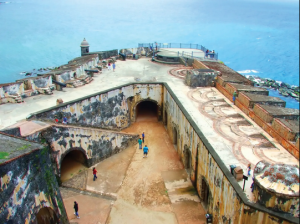
History of Puerto Rico
Table of Contents
TogglePre-Columbian Era:
- The island of Puerto Rico was originally inhabited by the Taíno people, an indigenous Arawak group.
- The Taíno culture was characterized by agriculture, intricate pottery, and a hierarchical social structure.
Spanish Colonization (1493-1898):
- Christopher Columbus claimed Puerto Rico for Spain during his second voyage in 1493.
- Spanish colonization began in the early 16th century, with settlements established, and the indigenous Taíno population faced exploitation, disease, and enslavement.
Cultural Synthesis:
- The blending of Taíno, Spanish, and African influences gave rise to a unique cultural identity in Puerto Rico, often referred to as “mestizaje.”
- This cultural synthesis is evident in language, music, dance, and religious practices.
19th-Century Developments:
- Puerto Rico experienced political and economic changes in the 19th century, including the abolition of slavery in 1873.
- Efforts for autonomy and representation in the Spanish Cortes were met with limited success.
Spanish-American War (1898):
- Puerto Rico became a focal point of the Spanish-American War in 1898.
- The Treaty of Paris that ended the war ceded Puerto Rico to the United States.
U.S. Rule (1898-Present):
- The United States assumed control of Puerto Rico in 1898, marking the beginning of a new era.
- The Jones-Shafroth Act in 1917 established a civilian government in Puerto Rico and provided greater autonomy.
- Puerto Rico has faced economic challenges, with periods of economic development and recessions.
Commonwealth Status (1952):
- In 1952, Puerto Rico adopted a constitution establishing the Commonwealth of Puerto Rico (Estado Libre Asociado).
- The Commonwealth status provides a measure of self-governance, but Puerto Rico remains an unincorporated territory of the United States.
Debates on Political Status:
- Puerto Rico’s political status has been a subject of ongoing debate, with options including statehood, independence, and maintaining the current Commonwealth status.
Hurricane Maria (2017):
- In 2017, Hurricane Maria struck Puerto Rico, causing widespread devastation and exposing vulnerabilities in infrastructure.
- The aftermath of the hurricane brought attention to issues of federal aid, disaster response, and the island’s economic challenges.
Cultural Contributions:
- Puerto Rico has made significant contributions to music, with genres like salsa, reggaeton, and bomba influencing global music.
- Renowned artists, writers, and athletes from Puerto Rico have achieved international recognition.
Ongoing Challenges:
- Puerto Rico faces economic challenges, including a high debt burden and issues related to economic development.
- Political debates on the island’s status and relationship with the United States continue.
The history of Puerto Rico is a narrative of cultural resilience, political evolution, and ongoing efforts to define its identity and future within the broader context of the United States.

