
Introduction:
Explanatory essays are a common type of academic writing that requires students to investigate a topic, evaluate evidence, and elucidate complex ideas or concepts. The success of an explanatory essay largely depends on the choice of topic. Selecting the perfect topic is crucial as it sets the tone for the entire essay and influences its effectiveness in conveying information to the audience. In this guide, we will explore the process of selecting the perfect explanatory essay topics, providing valuable insights and tips to help you make an informed decision.
Understanding Explanatory Essays:
Before delving into the process of selecting topics, it is essential to understand the nature and purpose of explanatory essays. Unlike argumentative essays that aim to persuade the audience, explanatory essays focus on presenting information, clarifying concepts, or analyzing a subject without expressing a personal opinion. The primary goal is to provide a clear and comprehensive explanation to the readers, enhancing their understanding of the chosen topic.
Factors to Consider When Choosing Explanatory Essay Topics:
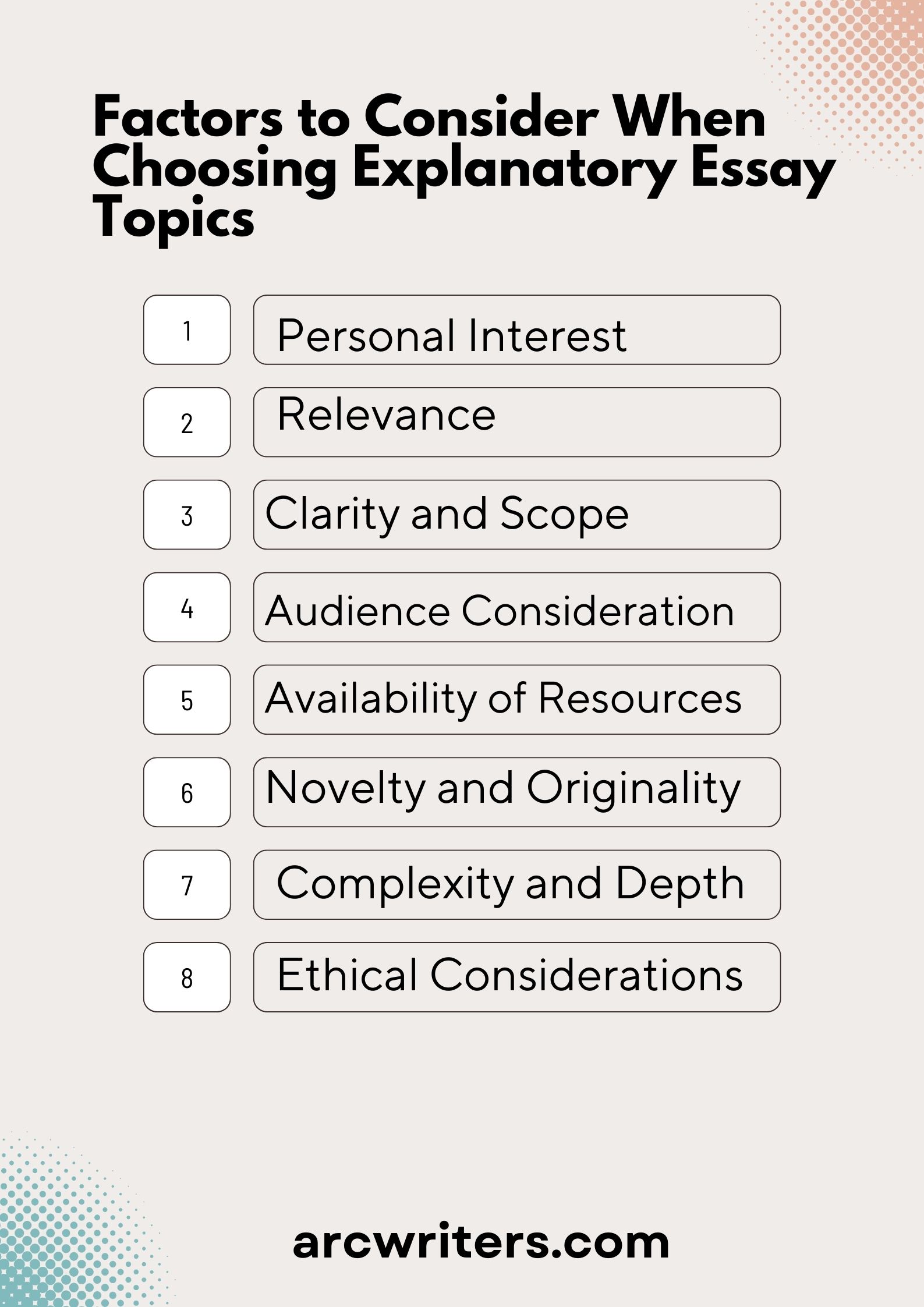
Explanatory Essay Topics
Personal Interest:
- Selecting a topic that genuinely interests you is paramount. When you are passionate about a subject, you are more likely to invest time and effort into researching and writing about it. Consider topics that align with your interests, hobbies, or areas of expertise to ensure your engagement throughout the writing process.
Relevance:
- Choose a topic that is relevant to your audience and context. Consider the interests, preferences, and knowledge level of your readers when selecting a topic. Additionally, ensure that the chosen topic is timely and significant, addressing current issues or trends within your field of study.
Clarity and Scope:
Opt for a topic that is clear, concise, and well-defined. Avoid overly broad or vague topics that lack focus, as they can lead to superficial analysis and confusion. Instead, narrow down your focus to a specific aspect or dimension of the topic to ensure a coherent and comprehensive exploration
Audience Consideration:
- Consider the level of interest and engagement your topic is likely to generate among your audience. Select a topic that is thought-provoking, controversial, or intellectually stimulating to captivate your readers’ attention and encourage active participation
Availability of Resources:
- Assess the availability of credible sources and research materials related to your chosen topic. Adequate research is essential for providing accurate information and supporting your arguments effectively. Ensure that there are sufficient resources available to facilitate thorough research and analysis.
Novelty and Originality:
-
- Aim for a unique perspective or angle on a familiar topic to engage your audience and offer fresh insights.
- Avoid overused or clichéd topics unless you can approach them from a unique standpoint.
Complexity and Depth
Choose a topic that offers ample opportunities for exploration and analysis. Avoid overly simplistic or superficial topics that do not warrant in-depth discussion. Instead, opt for topics that are complex and multifaceted, allowing for nuanced interpretations and insights.
Ethical Considerations:
-
- Be mindful of the ethical implications associated with certain topics, especially those involving sensitive issues or controversial subjects.
- Respect diverse perspectives and strive to present a balanced and objective view when addressing contentious topics.
Strategies for Choosing the Perfect Explanatory Essay Topics
- Brainstorming: Start by brainstorming a list of potential topics that interest you or relate to your field of study. Consider various angles, perspectives, and subtopics within your chosen area of interest. Freewriting, mind mapping, or conducting preliminary research can help generate ideas and identify promising topics.
- Research: Conduct preliminary research to explore different topics and gather relevant information. Utilize academic databases, scholarly journals, books, and credible online sources to familiarize yourself with the current discourse surrounding your potential topics. Pay attention to emerging trends, key debates, and significant research findings within your field.
- Narrowing Down: Once you have generated a list of potential topics, evaluate each topic based on the aforementioned criteria, including personal interest, relevance, clarity, scope, availability of resources, complexity, and audience engagement. Narrow down your list by eliminating topics that do not meet these criteria, focusing on the most promising and suitable options.
- Consultation: Seek feedback from peers, professors, or mentors to validate your chosen topic and gather valuable insights. Discuss your ideas with others to gain different perspectives and identify any potential strengths or weaknesses in your topic selection. Consider their feedback and suggestions when finalizing your decision.
- Flexibility: Remain open to revising or refining your topic as you progress through the research and writing process. Be willing to adapt and adjust your focus based on new insights, discoveries, or feedback received along the way. Flexibility is key to ensuring that your explanatory essay remains relevant, engaging, and impactful.
Examples of Perfect Explanatory Essay Topics:
- The Impact of Climate Change on Global Biodiversity
- Exploring the Rise of Artificial Intelligence in Modern Society
- Analyzing the Causes and Consequences of Income Inequality
- Understanding the Psychology of Procrastination and Its Effects on Productivity
- The Evolution of Renewable Energy Technologies: Challenges and Opportunities
- Investigating the Influence of Social Media on Teenage Mental Health
- Explaining the Mechanisms of Antibiotic Resistance in Bacterial Pathogens
- The Role of Education in Promoting Gender Equality and Empowerment
- Analyzing the Economic Implications of Immigration Policies
- Exploring the History and Cultural Significance of Traditional Festivals
Conclusion:
Choosing the perfect explanatory essay topic requires careful consideration of various factors, including personal interest, relevance, clarity, audience consideration, resource availability, novelty, scope, and ethical considerations. By following the guidelines outlined in this guide and exploring a diverse range of topics, you can select an engaging and informative subject that captivates your audience and facilitates a meaningful exploration of ideas. Remember that the topic you choose will shape the direction and impact of your explanatory essay, so invest time and effort in making a well-informed decision.
