
Abstract:
A well-organized outline serves as the backbone of any peer review paper, providing a roadmap for the author to articulate their ideas systematically and for reviewers to evaluate the coherence and completeness of the work. In this comprehensive guide, we delve into the essential steps required to craft an effective outline for a peer review paper. From understanding the purpose and structure of an outline to practical tips for outlining each section of your paper, this guide aims to empower researchers with the tools they need to produce scholarly work of the highest caliber.
Keywords: outline, peer review paper, organization, structure, scholarly writing.
-
Introduction
In the realm of academic writing, peer review papers stand as a cornerstone of scholarly communication, allowing researchers to disseminate their findings, engage in academic discourse, and contribute to the advancement of knowledge within their respective fields. However, the journey from conceptualizing research ideas to producing a polished manuscript ready for peer review can be daunting, requiring meticulous planning and organization. At the heart of this process lies the outline, a strategic framework that shapes the content and structure of the paper. In this section, we outline the importance of crafting a well-organized outline and provide an overview of the essential steps involved in this endeavor.
peer
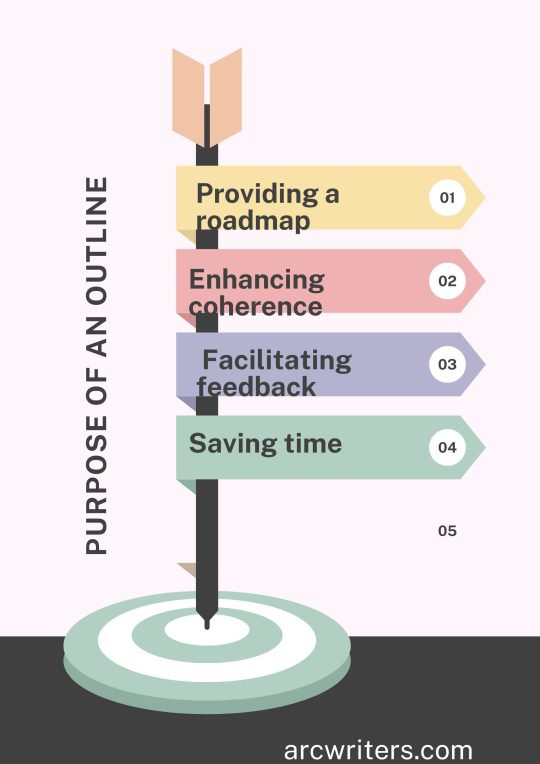
Before delving into the intricacies of outlining, it is crucial to grasp the fundamental purpose of this tool within the context of academic writing. An outline serves multiple functions, including:
a. Providing a roadmap: An outline offers a clear and logical framework for organizing ideas, ensuring that the paper flows smoothly from one section to the next.
b. Enhancing coherence: By delineating the main arguments and supporting evidence, an outline helps maintain coherence and cohesion throughout the paper.
c. Facilitating feedback: A well-structured outline enables reviewers to assess the completeness and clarity of the paper’s content, thereby facilitating constructive feedback and revisions.
d. Saving time and effort: Crafting an outline upfront can streamline the writing process by guiding the author’s focus and preventing tangential digressions.
-
Components of a Well-Organized Outline
A well-organized outline typically consists of several key components, each serving a specific purpose in guiding the development of the paper. These components may vary depending on the discipline and nature of the research, but commonly include:
a. Title and Author Information: Provide the title of the paper and the author’s name(s) at the beginning of the outline.
b. Introduction: Outline the background, research question, objectives, and significance of the study.
c. Literature Review: Summarize relevant literature and identify gaps or areas for further investigation.
d. Methodology: Describe the research design, data collection methods, and analytical techniques employed.
e. Results: Present the findings of the study in a clear and concise manner, supported by tables, figures, or graphs.
f. Discussion: Interpret the results, analyze their implications, and relate them to existing literature.
g. Conclusion: Summarize the main findings, highlight their significance, and suggest avenues for future research.
h. References: List all sources cited in the paper according to the appropriate citation style (e.g., APA, MLA, Chicago).
Now that we have outlined the purpose and components of an effective outline, let us delve into the practical steps involved in crafting one for your peer review paper:
a. Define the Scope and Objectives: Begin by clarifying the scope of your paper and defining the specific objectives you aim to achieve. What is the central research question or hypothesis? What are the key concepts or variables under investigation?
b Conduct a Literature Review: Conduct a comprehensive review of the existing literature to identify relevant studies, theoretical frameworks, and empirical findings related to your research topic. Take notes and identify key themes or debates that will inform your paper.
c. Identify the Main Sections: Based on your research objectives and literature review, outline the main sections of your paper, including the introduction, literature review, methodology, results, discussion, and conclusion. Consider any additional sections or subsections that may be necessary to address specific aspects of your research.
d. Organize the Content: Within each main section, organize the content into logical subsections or paragraphs. Identify the main points you intend to cover and arrange them in a coherent and sequential manner.
e. Establish Relationships Between Sections: Consider the relationships between different sections of your paper and ensure that there is a clear flow of ideas from one section to the next. Use transitions and signposts to guide the reader through the paper.
f. Incorporate Feedback and Revisions: Once you have drafted your outline, seek feedback from peers, mentors, or colleagues familiar with your research topic. Consider their suggestions and revise your outline accordingly to strengthen its coherence and effectiveness.
g. Finalize the Outline: Review and refine your outline to ensure that it accurately reflects the structure and content of your paper. Make any necessary adjustments to improve clarity, coherence, and organization.
-
Conclusion
Crafting a well-organized outline is an essential step in the process of preparing a peer review paper. By providing a strategic framework for organizing ideas and guiding the development of the paper, an outline enhances coherence, facilitates feedback, and streamlines the writing process. By following the practical steps outlined in this guide, researchers can create outlines that effectively communicate their research objectives, findings, and conclusions, ultimately contributing to the advancement of knowledge within their respective fields.
-
References
This comprehensive guide provides researchers with the essential steps required to craft a well-organized outline for a peer review paper. By understanding the purpose of an outline, identifying its key components, and following practical steps for outlining, researchers can effectively structure their papers and engage in meaningful academic discourse.
