
Abstract
Peer review papers play a pivotal role in the scientific community by providing rigorous evaluation and critique of research findings. To ensure clarity, consistency, and credibility, adhering to specific formatting requirements and guidelines is essential. This comprehensive guide explores the process of formatting a peer review paper, covering aspects such as structure, language, citation styles, and ethical considerations. By following these guidelines, researchers can enhance the quality and impact of their peer-reviewed publications.
Introduction
Peer review papers serve as a cornerstone of scientific communication, facilitating the dissemination of research findings, and fostering scholarly discourse. However, the effectiveness of peer review largely depends on the adherence to standardized formatting requirements and guidelines. Proper formatting not only enhances the readability of the paper but also ensures that it meets the rigorous standards of academic integrity and quality assessment. In this article, we explore the essential elements of formatting a peer review paper, providing insights into structure, language usage, citation styles, and ethical considerations.
1. Understanding the Purpose of Peer Review
Before delving into the formatting specifics, it’s crucial to understand the fundamental purpose of peer review:
- Quality Assurance: Peer review ensures that only high-quality research is published by evaluating its originality, methodology, and significance.
- Improvement: Reviewers provide constructive criticism to help authors enhance the clarity, rigor, and validity of their work.
- Validation: Through rigorous evaluation, peer review validates the credibility and reliability of scientific findings.
2. Structure of a Peer Review Paper
A well-structured peer review paper typically comprises several key sections:
Title Page:
- Include the title of the manuscript under review, the names and affiliations of the authors, your name as the reviewer, and the date of submission.
Introduction:
- Provide a brief introduction outlining the purpose of the review and your expertise in the subject area.
Summary of the Manuscript:
- Summarize the main findings, methodologies, and conclusions of the manuscript concisely.
Evaluation Criteria:
- Discuss the criteria you used to assess the manuscript, such as originality, methodology, significance, clarity, and adherence to ethical standards.
Detailed Analysis:
- Critically evaluate each section of the manuscript, highlighting its strengths and weaknesses.
- Provide specific examples and suggestions for improvement, backed by evidence from the manuscript or relevant literature.
Conclusion:
- Summarize your overall assessment of the manuscript and recommend whether it should be accepted, revised, or rejected for publication.
- Offer any additional comments or recommendations for the authors and editors.
3. Formatting Guidelines
When formatting your peer review paper, adhere to the following guidelines:
Length:
- Aim for a comprehensive review that thoroughly assesses the manuscript while avoiding unnecessary verbosity.
- Typically, peer review papers range from 1500 to 3000 words, but this may vary depending on the journal’s guidelines.
Language and Style:
- Write in a clear, concise, and objective manner.
- Use formal language and avoid slang or colloquial expressions.
- Provide constructive criticism while maintaining a respectful tone towards the authors.
Structure:
- Organize your review paper into coherent sections with clear headings to facilitate readability.
- Use subheadings to distinguish between different aspects of the review, such as strengths, weaknesses, and recommendations.
Citations:
- Support your critique with references to relevant literature or previous studies.
- Provide citations in the appropriate format specified by the journal (e.g., APA, MLA, Chicago).
Confidentiality:
- Maintain confidentiality by refraining from disclosing sensitive information about the manuscript or its authors.
- Do not share or discuss the content of the manuscript with anyone outside the process.
Compliance:
- Ensure that your review paper complies with the journal’s specific formatting requirements, including font size, margins, and citation style.
- Follow any additional instructions provided by the journal or editor.
4. Best Practices for Peer Review
Peer Review
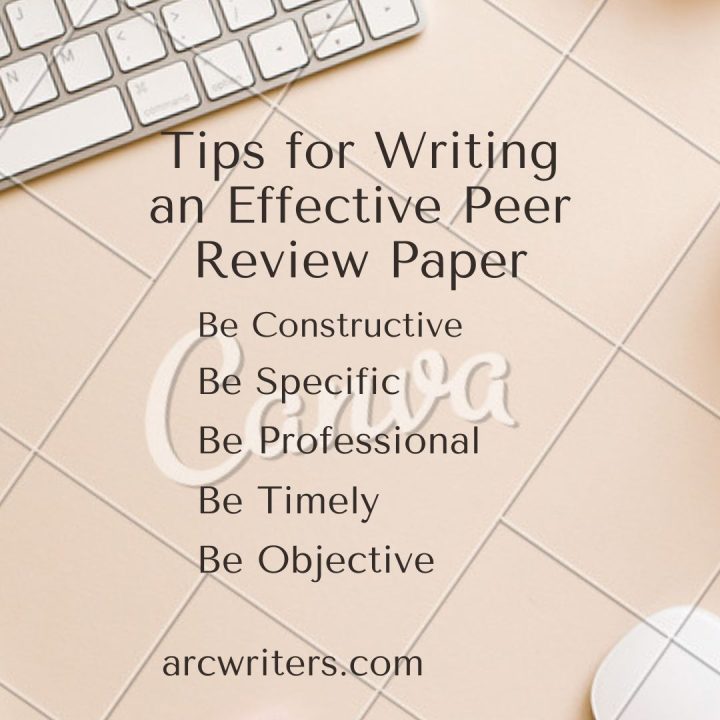
In addition to adhering to formatting guidelines, consider the following best practices for conducting a thorough and constructive peer review:
- Be Objective: Base your evaluation solely on the quality and merit of the manuscript, avoiding personal biases or conflicts of interest.
- Provide Specific Feedback: Offer specific, actionable suggestions for improvement rather than vague or general comments.
- Be Timely: Submit within the specified timeframe to facilitate the editorial process.
- Be Constructive: Frame your criticisms in a constructive manner, focusing on how the authors can enhance their work rather than simply pointing out flaws.
- Maintain Confidentiality: Respect the confidentiality of the peer review process by refraining from discussing the manuscript with unauthorized individuals.
Ethical Considerations:
Authorship: Clearly define the contributions of each author and ensure that all individuals listed as authors have made substantial intellectual contributions to the research.
Conflicts of Interest: Disclose any potential conflicts of interest, financial or otherwise, that could influence the interpretation or reporting of the research findings.
Research Integrity: Adhere to ethical standards of research conduct, including obtaining informed consent, protecting participants’ confidentiality, and reporting research findings accurately.
Plagiarism and Self-Plagiarism: Avoid plagiarism by properly attributing sources and refrain from recycling previously published content without proper citation.
Peer Review Process: Participate in process with integrity and professionalism, providing constructive feedback and adhering to confidentiality agreements.
Conclusion
Writing a peer review paper requires adherence to specific formatting requirements and guidelines to ensure clarity, objectivity, and professionalism. By following the structure outlined in this guide and incorporating best practices for peer review, reviewers can effectively contribute to the advancement of scholarly research and uphold the integrity of the scientific publishing process.
