
Abstract:
Peer review papers serve as crucial tools for advancing scientific knowledge and ensuring the quality and validity of research findings. However, writing a peer review paper demands meticulous attention to detail, critical analysis, and adherence to ethical standards. This comprehensive guide aims to provide a step-by-step approach to crafting an effective peer review paper, covering various aspects such as understanding the peer review process, evaluating research methodology, critiquing results, offering constructive feedback, and maintaining integrity and impartiality throughout the review process. By following these guidelines, authors can contribute to the enhancement of scholarly discourse and the advancement of scientific understanding.

Peer Review
Introduction:
Peer review is a cornerstone of the scientific process, serving as a means of quality control and validation within academic research. Peer review papers, also known as peer-reviewed articles or referee reports, play a pivotal role in this process by providing critical evaluations of scholarly work. This guide aims to outline the essential steps involved in writing a peer review paper, emphasizing the importance of thorough analysis, constructive feedback, and adherence to ethical standards.
Understanding the Peer Review Process:
Before embarking on the task of writing a peer review paper, it is essential to understand the peer review process itself. Peer review typically involves the submission of a manuscript to a scholarly journal, where it undergoes evaluation by experts in the field before publication. The peer reviewers assess various aspects of the manuscript, including its originality, methodology, results, interpretation, and overall contribution to the field. Understanding the objectives and criteria of the peer review process is crucial for effectively evaluating research and providing constructive feedback.
Understanding the Purpose of Peer Review
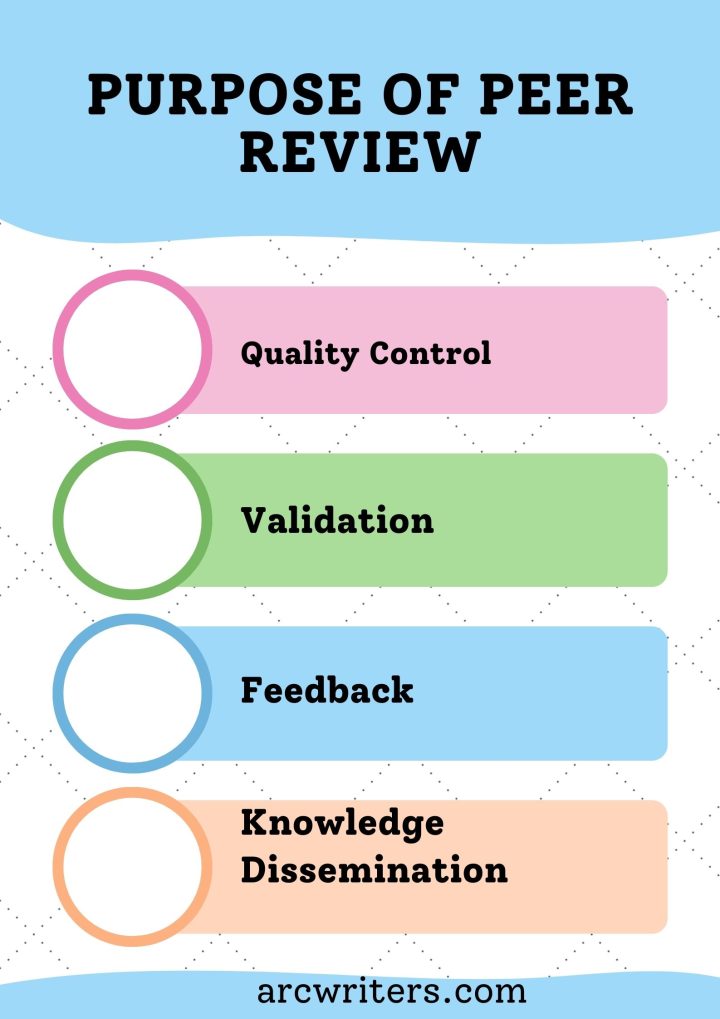
Before looking into the specifics of writing a peer review paper, it’s crucial to understand the purpose of peer review in academic publishing. Peer review serves several key objectives:
Peer Review
Quality Control
Quality control serves as a fundamental purpose within the context of a peer-reviewed paper, ensuring the reliability, accuracy, and validity of the research presented. Through meticulous scrutiny, peer review facilitates the identification and rectification of errors, inconsistencies, and biases, thereby upholding the integrity of scientific discourse. By subjecting manuscripts to rigorous evaluation by experts in the field, the peer review process not only filters out substandard work but also fosters constructive criticism and feedback, stimulating academic dialogue and advancement.
Moreover, quality control in peer review ensures adherence to ethical standards, promoting transparency and accountability in research practices. Ultimately, the goal of quality control in peer review is to uphold the highest standards of scholarship, thereby enhancing the credibility and impact of scientific publications.
Validation
Feedback
Knowledge Dissemination
Knowledge dissemination stands as a central purpose of a peer-reviewed paper, serving to share valuable insights, findings, and advancements with the broader scientific community and society at large. Through the peer review process, manuscripts undergo rigorous evaluation by experts in the field, ensuring the accuracy, credibility, and relevance of the research presented. Once accepted for publication, peer-reviewed papers become accessible to researchers, academics, practitioners, policymakers, and the general public, thereby facilitating the dissemination of knowledge and fostering informed decision-making.
By sharing new discoveries, methodologies, and perspectives, peer-reviewed papers contribute to the collective pool of human knowledge, driving innovation, and progress across various disciplines. Moreover, knowledge dissemination through peer-reviewed papers promotes critical thinking, scholarly debate, and collaboration, ultimately enriching the intellectual landscape and advancing the frontiers of scientific inquiry.
People also Read
How to Structure a Peer Review Paper
How to effectively write the Methods Section of a Peer Review Paper
Crafting a Strong Discussion Section for Your Peer Review Paper
Steps to Writing a Peer Review Paper
1. Familiarize Yourself with the Manuscript
2. Evaluate the Significance and Originality
3. Assess the Methodology and Analysis
A crucial step in writing a peer review paper involves assessing the methodology and analysis employed in the manuscript. Examine the clarity and appropriateness of the study design, ensuring that it aligns with the research objectives and is capable of generating reliable data. Evaluate the methods used for data collection, sampling, and analysis, considering their validity, reliability, and potential biases.
Scrutinize the statistical techniques applied to analyze the data, verifying their relevance and adequacy for addressing the research questions. Assess whether the results are interpreted accurately and supported by the evidence presented. Look for any inconsistencies or limitations in the methodology that may impact the validity or generalizability of the findings. By carefully evaluating the methodology and analysis, reviewers can provide valuable feedback to improve the rigor and credibility of the research presented in the manuscript.
4. Examine the Results and Interpretations
5. Evaluate the Clarity and Coherence
In writing a peer review paper, it is imperative to evaluate the clarity and coherence of the manuscript. Assess the clarity of the writing, ensuring that the language is precise, concise, and accessible to the intended audience. Evaluate the organization and structure of the manuscript, determining whether it follows a logical flow and effectively communicates the research objectives, methods, results, and conclusions. Pay attention to the coherence of the arguments presented, verifying that they are well-supported by evidence and logically connected throughout the manuscript.
Consider whether the figures, tables, and supplementary materials are appropriately labeled and explained to enhance understanding. Additionally, assess the accuracy of citations and references, ensuring that all sources are properly acknowledged and cited according to the required format. By evaluating the clarity and coherence of the manuscript, reviewers can provide constructive feedback to help authors improve the readability and effectiveness of their research presentation.
6. Provide Constructive Feedback
7. Consider Ethical Considerations
As a critical step in writing a peer review paper, it is essential to consider ethical considerations related to the manuscript under review. Assess whether the research adheres to ethical guidelines and standards, such as obtaining informed consent from participants, ensuring the confidentiality of sensitive information, and disclosing any potential conflicts of interest. Evaluate the integrity and transparency of the research methods, verifying that data collection and analysis were conducted ethically and rigorously.
Additionally, consider any potential ethical implications of the research findings, such as their impact on vulnerable populations or broader societal implications. If you identify any ethical concerns, discuss them respectfully and constructively in your review, providing recommendations for addressing or mitigating them. By considering ethical considerations in your peer review, you contribute to upholding the integrity and credibility of the research process and promoting ethical conduct within the scientific community.
8. Write a Detailed Review Report
Writing a detailed review report is a crucial step in the process of preparing a peer review paper. Begin by organizing your thoughts and observations gathered during the review process, ensuring that you cover all relevant aspects of the manuscript. Provide a comprehensive summary of the manuscript’s strengths, weaknesses, and overall contribution to the field, highlighting key points in each section, including the introduction, methods, results, discussion, and conclusion. Be specific and precise in your comments, offering detailed feedback on the clarity, coherence, and validity of the research presented.
Include constructive suggestions for improvement, such as revisions to the methodology, clarification of ambiguous points, or additional analyses that could strengthen the findings. Additionally, consider the broader implications of the research and its relevance to the field, providing insights into potential future directions or areas for further investigation. By writing a detailed review report, you can contribute to the quality and integrity of the peer review process, ultimately enhancing the rigor and impact of scientific publications.
9. Revise and Finalize Your Review
The final step in writing a peer review paper involves revising and finalizing your review to ensure clarity, coherence, and professionalism. Take the time to review your comments and suggestions, ensuring they are well-organized, constructive, and supported by evidence. Clarify any ambiguous or unclear points to enhance the comprehensibility of your feedback. Double-check the accuracy of your assessments and recommendations, verifying that they align with the objectives of the peer review process and the standards of scholarly discourse. Consider the tone and language used in your review, ensuring that it is respectful, objective, and professional throughout.
Proofread your review for grammar, spelling, and formatting errors, ensuring it meets the formatting requirements specified by the journal or editor. Finally, submit your completed review to the appropriate editor within the agreed-upon timeframe, along with any supplementary materials or supporting documentation. By revising and finalizing your review meticulously, you can contribute to the effectiveness and integrity of the peer review process, ultimately facilitating the dissemination of high-quality research within the scientific community.
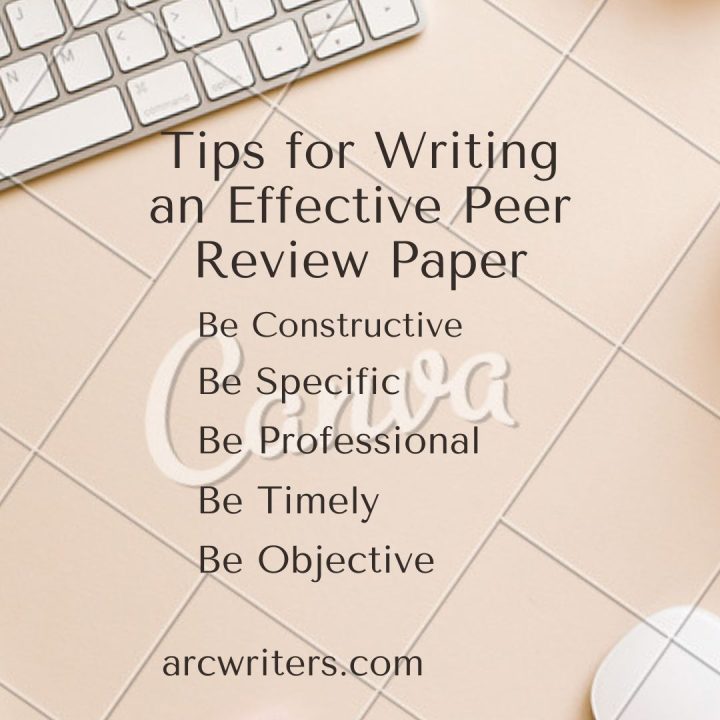
Tips for Writing an Effective Peer Review Paper
Peer Review
Be Constructive
Be Specific
A critical tip for writing an effective peer review paper is to be specific in your feedback. Rather than making vague or general comments, strive to provide detailed and precise observations regarding the strengths and weaknesses of the manuscript. Focus on specific sections, sentences, or data points that require clarification, revision, or further explanation. By offering concrete examples and evidence to support your critiques, you can help the authors understand precisely what aspects of their work need attention and improvement.
Being specific not only enhances the clarity and usefulness of your feedback but also enables the authors to take actionable steps towards refining their manuscript. Additionally, specificity in your comments demonstrates your thorough engagement with the material and your commitment to providing valuable insights for the benefit of both the authors and the scientific community as a whole.
Be Professional
Maintaining professionalism is essential when writing an effective peer review paper. As a reviewer, it’s crucial to approach the evaluation process with integrity, objectivity, and respect for the authors and the scientific community. Keep your comments focused on the manuscript’s content, methodology, and presentation, avoiding personal biases or irrelevant remarks. Express your opinions and critiques in a courteous and constructive manner, refraining from harsh language or dismissive attitudes.
Adhere to ethical guidelines and confidentiality requirements, refraining from sharing confidential information or discussing the manuscript with others without permission. Remember that peer review is a collaborative endeavor aimed at improving the quality of research, so engage with the authors and editors professionally, offering thoughtful feedback and recommendations with the ultimate goal of advancing scientific knowledge and scholarship.
Be Timely
Be Objective
Maintaining objectivity is paramount when writing an effective peer review paper. As a reviewer, it’s crucial to approach the manuscript with impartiality and fairness, setting aside personal biases or preconceptions. Evaluate the research based on its merits, considering the validity of the study design, the soundness of the methodology, and the coherence of the arguments presented.
Avoid making subjective judgments or allowing personal opinions to influence your assessment of the manuscript. Instead, focus on providing constructive feedback grounded in evidence and logic, highlighting both strengths and weaknesses objectively. By maintaining objectivity in your review, you contribute to the integrity and credibility of the peer review process, ensuring that decisions regarding manuscript acceptance or revision are based on rigorous evaluation rather than subjective preferences.
Outline for a peer Review Paper
I. Introduction
A. Brief overview of the manuscript
B. Statement of purpose for the peer review
C. Overview of the evaluation criteria and approach
II. Summary of Main Findings
A. Key points from the introduction
B. Description of the methods used
C. Summary of the results obtained
D. Discussion of the conclusions drawn
III. Evaluation of the Introduction
A. Clarity and coherence of the research question/hypothesis
B. Relevance and significance of the topic
C. Appropriateness of the literature review
IV. Assessment of the Methods
A. Description and justification of the study design
B. Appropriateness of the data collection methods
C. Evaluation of the statistical analysis techniques used
V. Analysis of the Results
A. Presentation and clarity of the data
B. Consistency between the results and the research question/hypothesis
C. Assessment of any limitations or biases
VI. Interpretation and Discussion
A. Coherence and relevance of the interpretations drawn
B. Discussion of the implications of the findings
C. Consideration of alternative explanations or interpretations
VII. Conclusion and Recommendations
A. Summary of key findings and their significance
B. Identification of strengths and weaknesses of the manuscript
C. Recommendations for revisions or improvements
VIII. Ethical Considerations
A. Assessment of ethical issues related to the research
B. Evaluation of compliance with ethical guidelines and standards
IX. Final Thoughts
A. Summary of the overall evaluation
B. Reflections on the manuscript’s contribution to the field
C. Closing remarks and encouragement for future research
This outline provides a structured framework for organizing your peer review paper, ensuring thorough evaluation and constructive feedback on all aspects of the manuscript.
Frequently Asked Questions
How to Format a Peer Review Paper
How to Craft a Compelling Introduction for Your Peer Review Paper
How to effectively Present your research Results in Your Peer Review Paper
