
Table of Contents
ToggleIntroduction
Personal experience narrative essays offer writers a unique opportunity to delve into their lives, reflecting on significant events, emotions, and lessons learned. Whether recounting a childhood memory, a pivotal moment, or a transformative journey, these narratives provide readers with insight into the author’s perspective and the universal human experience. In this comprehensive guide, we will explore the fundamental elements and techniques necessary for crafting impactful personal experience narrative essays.
Understanding the Personal Experience Narrative Essay
At its core, a personal experience narrative essay is a form of storytelling that recounts an event or series of events from the author’s life. Unlike fiction, these essays are grounded in reality, drawing from the author’s memories, thoughts, and emotions. While the events themselves are significant, the essay’s focus lies in the author’s interpretation and reflection on those experiences.
Choosing a Topic
Selecting the right topic is crucial for crafting a compelling narrative essay. Consider experiences that have had a profound impact on your life or shaped your identity in some way. These could range from moments of triumph and joy to periods of struggle and adversity. Reflect on experiences that have taught you valuable lessons, challenged your beliefs, or changed your perspective on the world.
Brainstorming and Reflection
Before diving into writing, take the time to brainstorm ideas and reflect on your chosen topic. Consider the following questions:
- What was the event or experience?
- Why was it significant to you?
- What emotions did you feel at the time?
- How did the experience change you or your outlook on life?
- What lessons did you learn from the experience?
By exploring these questions, you can gain deeper insights into your narrative and uncover meaningful themes to explore in your essay.
Structuring Your Personal Experience Narrative Essay
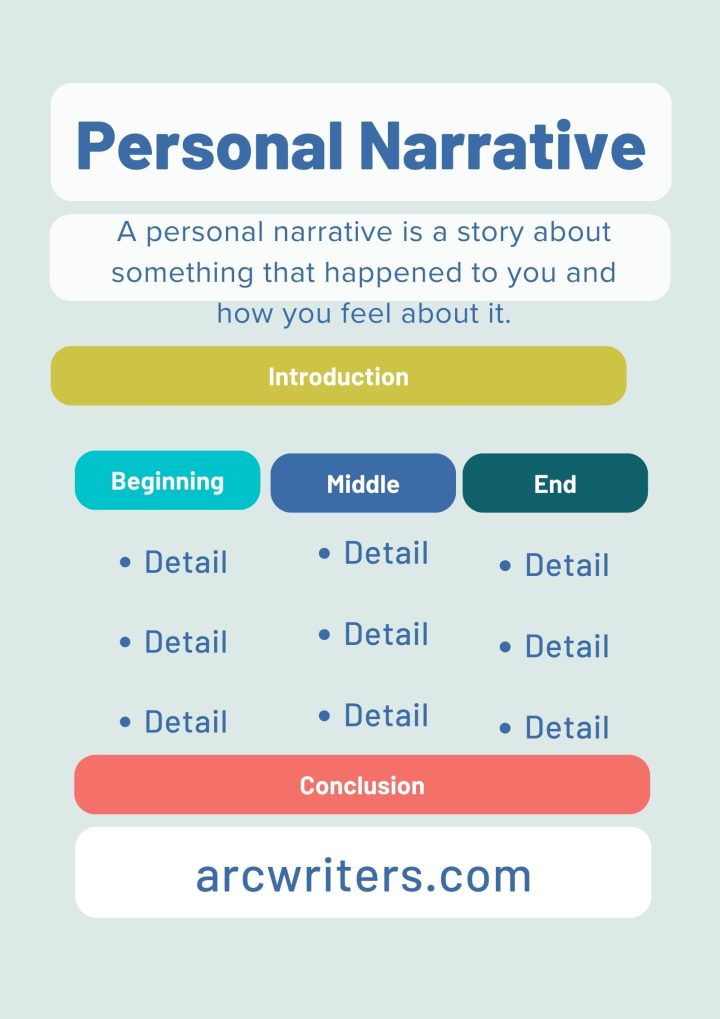
Structure
Like any narrative, a personal experience essay should have a clear structure that engages the reader from beginning to end. Consider the following structure:
- Introduction: Start with a captivating hook that grabs the reader’s attention and introduces the central theme or event of your narrative. Provide context for the story and establish the tone for the essay.
- Body Paragraphs: The body of your essay should provide a detailed account of the events or experiences you are recounting. Organize your narrative chronologically or thematically, depending on what best serves your story. Use vivid descriptions and sensory details to immerse the reader in the scene, allowing them to experience the events alongside you. Be sure to include dialogue, thoughts, and reflections that add depth to your narrative and convey the emotional impact of the experience.
- Reflection: After recounting the events, take time to reflect on their significance and the lessons learned. Share insights into how the experience changed you or shaped your perspective on life. Consider the broader implications of your narrative and how it relates to universal themes or experiences shared by others.
- Conclusion: Wrap up your essay by summarizing the key points of your narrative and reinforcing the central theme or message. Leave the reader with a lasting impression or thought-provoking insight that resonates beyond the confines of your story.
Crafting Engaging Narratives
To create a compelling personal experience narrative essay, focus on the following techniques:
- Show, Don’t Tell: Instead of simply telling the reader what happened, show them through descriptive language and vivid imagery. Use sensory details to evoke emotions and bring your narrative to life.
- Develop Characters: Even if your essay is centered around your own experiences, other characters may play a significant role in the narrative. Develop these characters through dialogue, actions, and interactions to add depth and complexity to your story.
- Use Dialogue: Incorporating dialogue can make your narrative more dynamic and engaging. Use dialogue to reveal character personalities, advance the plot, and create tension or conflict.
- Create Tension: A compelling narrative thrives on tension and conflict. Identify moments of tension within your story and leverage them to keep the reader engaged and invested in the outcome.
- Reflect and Analyze: Don’t just recount events; take time to reflect on their significance and analyze their impact on your life. Share insights and lessons learned that add depth and meaning to your narrative.
- Be Honest and Authentic: Authenticity is key to connecting with your readers. Be honest and vulnerable in sharing your experiences, even if it means revealing your flaws or vulnerabilities.
Revision and Editing Personal Experience Narrative Essay
Once you’ve written your initial draft, take time to revise and edit your essay. Pay attention to the following aspects during the revision process:
- Structure and Organization: Ensure that your essay flows smoothly from beginning to end. Check that each paragraph transitions seamlessly into the next and that the overall structure effectively supports your narrative.
- Clarity and Cohesion: Clarify any confusing or ambiguous passages and ensure that your ideas are presented cohesively. Use transitions to guide the reader from one idea to the next and maintain continuity throughout the essay.
- Language and Style: Review your writing for clarity, precision, and consistency in language and style. Eliminate unnecessary words or phrases and choose strong verbs and descriptive language to enhance your narrative.
- Tone and Voice: Maintain a consistent tone and voice throughout your essay that reflects your personality and perspective. Consider the emotional impact you want to evoke in your readers and adjust your tone accordingly.
- Dialogue and Description: Fine-tune your use of dialogue and description to create a vivid and immersive experience for the reader. Ensure that dialogue sounds natural and serves a purpose within the narrative, and use descriptive language to paint a vivid picture of the setting and characters.
- Theme and Message: Reflect on the central theme or message of your essay and ensure that it is effectively conveyed throughout the narrative. Clarify the significance of your experiences and the lessons learned, and ensure that they resonate with the reader.
- Proofreading: Finally, carefully proofread your essay for grammar, punctuation, and spelling errors. Pay attention to common mistakes such as typos, misplaced commas, and subject-verb agreement issues.
Seeking Feedback
Before finalizing your essay, consider seeking feedback from peers, mentors, or writing groups. Ask for constructive criticism on areas such as clarity, coherence, and emotional impact. Be open to suggestions for improvement and use feedback to refine your narrative and enhance its effectiveness.
Conclusion
Crafting a compelling personal experience narrative essay requires careful attention to detail, introspection, and creativity. By choosing a meaningful topic, reflecting on your experiences, and employing effective storytelling techniques, you can create a narrative that resonates with readers on a deep and emotional level. Through revision, editing, and seeking feedback, you can refine your essay and ensure that it effectively communicates your message. Ultimately, the goal of a personal experience narrative essay is to share your story in a way that inspires, enlightens, and connects with others.
