
Introduction
In the field of academic writing, persuasive essays stand out as a potent tool for expressing opinions, influencing minds, and driving change. Whether you’re advocating for a particular viewpoint, debating a contentious issue, or seeking to sway your audience’s beliefs, mastering persuasive essay techniques is essential. This comprehensive guide looks into the art and science of crafting persuasive essays, offering insights, strategies, and examples to empower writers in their quest to persuade effectively.
Understanding Persuasion
Before delving into the techniques, it’s crucial to grasp the essence of persuasion. Persuasion is the act of convincing someone to adopt a particular belief, attitude, or course of action. In persuasive essays, the writer aims to sway the reader’s opinion by presenting compelling arguments supported by evidence and reasoning.
Elements of Persuasion
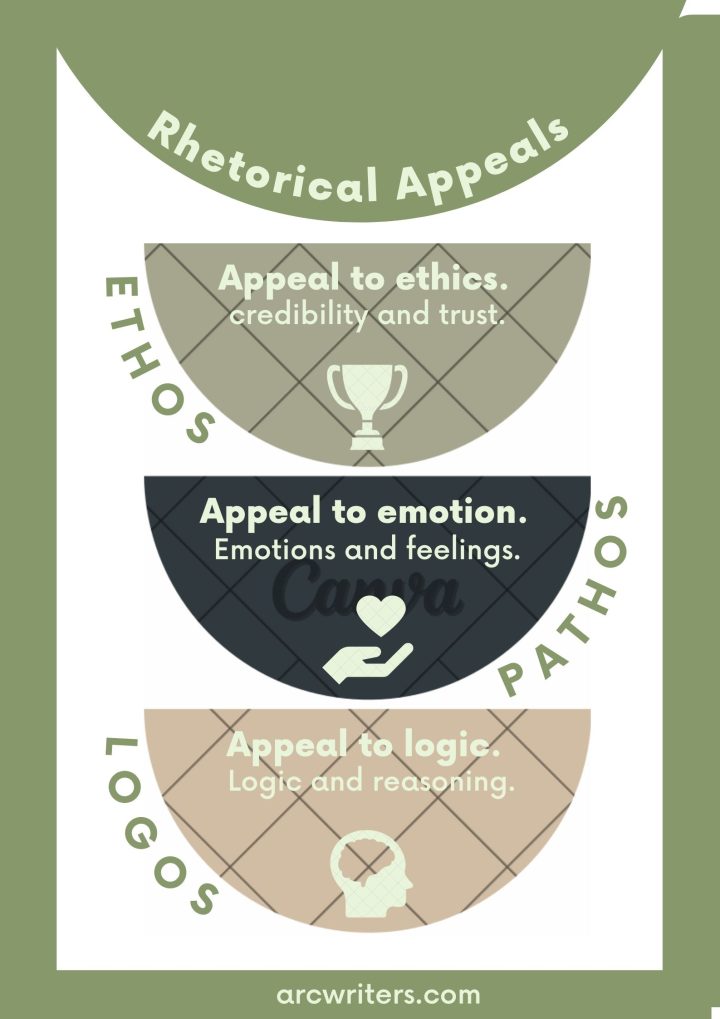
Persuasive Essays
- Ethos: Establishing credibility is paramount in persuasive writing. Writers can enhance their ethos by showcasing their expertise, integrity, and trustworthiness on the subject matter.
- Pathos: Appeals to emotion can be potent tools for persuasion. By evoking feelings such as empathy, sympathy, or outrage, writers can forge a deep connection with their audience.
- Logos: Logical reasoning forms the backbone of persuasive arguments. Presenting facts, statistics, and logical deductions helps build a solid foundation for the writer’s claims.
Crafting Persuasive Essays
1. Choosing a Compelling Topic
The foundation of a persuasive essays rests on selecting a topic that is both relevant and captivating. Consider issues that evoke strong emotions or spark debate within your target audience. Topics with clear opposing viewpoints often lend themselves well to persuasive writing.
2. Conducting Thorough Research
Effective persuasion hinges on credible evidence and sound reasoning. Thoroughly research your chosen topic, gathering data, statistics, expert opinions, and anecdotal evidence to bolster your arguments. Be sure to evaluate the credibility of your sources to maintain the integrity of your essay.
3. Structuring Your Essay
A well-structured persuasive essays enhances readability and facilitates persuasive impact. Follow a clear structure:
- Introduction: Capture the reader’s attention with a compelling hook, provide background information on the topic, and present your thesis statement—the central argument of your essay.
- Body Paragraphs: Each paragraph should focus on a single argument or point, supported by evidence and reasoning. Use transitional phrases to ensure smooth flow between paragraphs.
- Counterarguments: Acknowledge opposing viewpoints and refute them with logical arguments. Addressing counterarguments demonstrates intellectual honesty and strengthens your position.
- Conclusion: Summarize your key points, restate your thesis, and leave the reader with a memorable closing thought or call to action.
4. Employing Persuasive Techniques
a. Rhetorical Devices
- Analogies and Metaphors: Drawing parallels between familiar concepts and the topic at hand can elucidate complex ideas and evoke powerful imagery.
- Repetition: Emphasize key points by repeating them throughout your essay. Repetition can reinforce your arguments and make them more memorable.
- Rhetorical Questions: Engage readers by posing thought-provoking questions that lead them to consider your viewpoint.
- Parallelism: Structuring sentences or paragraphs with parallel grammatical structures enhances readability and lends a sense of rhythm to your writing.
b. Emotional Appeals
- Anecdotes: Personal anecdotes or stories can evoke empathy and resonate with readers on a human level.
- Vivid Language: Use descriptive language to paint a vivid picture and evoke emotional responses in your audience.
- Appeal to Values: Identify shared values with your audience and frame your arguments in alignment with those values.
c. Logical Appeals
- Evidence and Statistics: Support your arguments with credible evidence, such as research findings, expert opinions, and statistical data.
- Logical Reasoning: Present logical deductions and causal relationships to demonstrate the validity of your claims.
- Syllogisms: Employ deductive reasoning by presenting a major premise, a minor premise, and a conclusion to logically derive your argument.
5. Addressing Counterarguments
Anticipate potential objections to your arguments and address them preemptively. Acknowledging opposing viewpoints demonstrates respect for differing opinions and strengthens your credibility as a fair-minded writer.
6. Concluding with Impact
End your essay with a compelling conclusion that reinforces your main points and leaves a lasting impression on the reader. Consider ending with a call to action, a thought-provoking question, or a poignant quote to inspire reflection.
Examples of Persuasive Essays
1. Climate Change: Urging Action
In a persuasive essay on climate change, the writer might employ emotional appeals by depicting the devastating impact of environmental degradation on vulnerable communities. They could also utilize evidence-based arguments, citing scientific studies and expert opinions to underscore the urgency of addressing climate change.
2. Gun Control: Advocating for Reform
When tackling the issue of gun control, a persuasive essay might appeal to both emotions and logic. The writer could share personal stories of gun violence victims to evoke empathy while also presenting statistical data on the correlation between gun ownership and crime rates to bolster their argument for stricter regulations.
Conclusion
Mastering persuasive essays techniques is a valuable skill that empowers writers to articulate their viewpoints effectively and influence others’ beliefs and actions. By understanding the principles of persuasion, conducting thorough research, crafting well-structured arguments, and employing persuasive techniques judiciously, writers can create compelling essays that resonate with their audience and drive meaningful change. Whether advocating for social justice, promoting environmental sustainability, or debating contentious issues, the persuasive essay remains a potent instrument for shaping hearts and minds.
