
Introduction
Acute respiratory diseases encompass a broad spectrum of illnesses affecting the respiratory system, ranging from mild infections to severe, life-threatening conditions with varying signs and symptoms. These diseases pose significant public health challenges globally, particularly during outbreaks or pandemics. Recognizing the signs and symptoms of acute respiratory diseases is crucial for timely diagnosis, appropriate management, and containment of spread. This comprehensive guide aims to explore the various acute respiratory diseases, their common signs, and strategies for recognition and management.
Understanding Acute Respiratory Diseases
Acute respiratory diseases primarily affect the respiratory tract, including the upper and lower airways, lungs, and associated structures. These diseases primarily target the upper and lower respiratory tracts, compromising their normal functions of gas exchange and airway protection. ARDs can be caused by various infectious agents, including viruses, bacteria, and fungi, as well as non-infectious factors such as allergens and environmental pollutants.
Common examples of ARDs include the common cold, influenza, bronchitis, pneumonia, and, more recently, COVID-19. While many ARDs share similar symptoms, such as cough, shortness of breath, and fever, the severity and clinical course can vary widely depending on the specific pathogen involved and individual factors such as age, overall health status, and immune response. Understanding the nature of ARDs is essential for accurate diagnosis, appropriate treatment, and implementation of preventive measures to reduce the burden of respiratory illnesses on public health.
Viral Respiratory Infections
a. Influenza: Influenza viruses are a common cause of acute respiratory infections, characterized by sudden onset of fever, cough, sore throat, muscle aches, fatigue, and headache.
b. Respiratory Syncytial Virus (RSV): RSV primarily affects infants and young children, causing symptoms similar to those of the common cold, including runny nose, cough, fever, and wheezing.
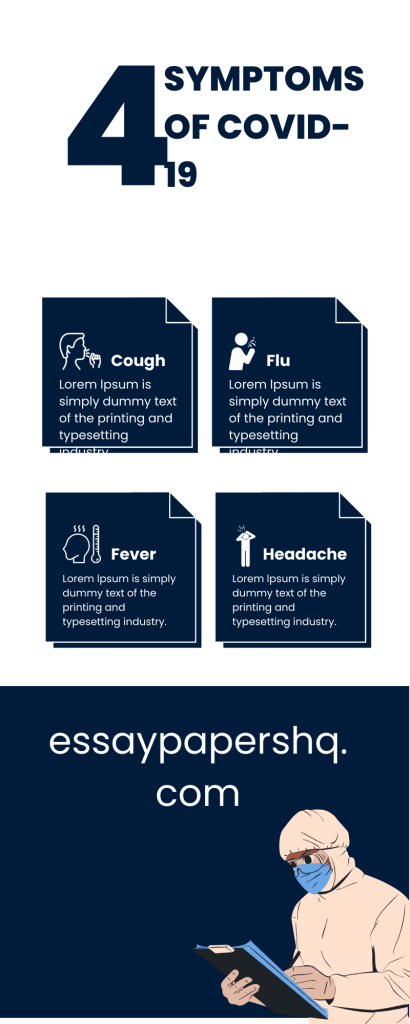
c. COVID-19: The coronavirus disease 2019 (COVID-19) caused by the novel coronavirus SARS-CoV-2 presents with a wide range of symptoms, including fever, cough, shortness of breath, fatigue, loss of taste or smell, and gastrointestinal symptoms.
Bacterial Respiratory Infections
a. Pneumonia: Bacterial pneumonia often manifests with sudden onset of high fever, chills, productive cough with purulent sputum, chest pain, and difficulty breathing.
b. Pertussis (Whooping Cough): Pertussis is characterized by paroxysmal coughing fits, often accompanied by a “whooping” sound upon inhalation, along with fever and post-tussive vomiting.
c. Tuberculosis (TB): TB can present with chronic cough, bloody sputum, fever, night sweats, weight loss, and fatigue.
Other Respiratory Conditions
a. Asthma Exacerbation: Asthma exacerbations may manifest with wheezing, coughing, shortness of breath, chest tightness, and decreased peak expiratory flow rate.
b. Chronic Obstructive Pulmonary Disease (COPD) Exacerbation: COPD exacerbations commonly present with increased dyspnea, cough, sputum production, wheezing, and decreased exercise tolerance.
c. Acute Respiratory Distress Syndrome (ARDS): ARDS is a severe form of acute lung injury, characterized by rapid onset of dyspnea, severe hypoxemia, bilateral pulmonary infiltrates on chest imaging, and respiratory failure.
Recognizing the Signs
Recognizing the signs of acute respiratory diseases requires vigilance and a thorough understanding of the presenting symptoms associated with each condition. Key signs to watch for include:
- Respiratory Symptoms:
- Cough: Persistent or productive cough may indicate a respiratory infection or underlying lung disease.
- Shortness of Breath: Difficulty breathing, especially with exertion or at rest, suggests significant respiratory compromise.
- Wheezing: High-pitched whistling sounds during breathing indicate airway obstruction, commonly seen in asthma or COPD exacerbations.
- Chest Pain: Chest discomfort or pain, particularly with breathing or coughing, may indicate pleuritic inflammation or pneumonia.
- Systemic Symptoms:
- Fever: Elevated body temperature often accompanies infectious respiratory diseases, although its absence does not rule out the possibility of infection.
- Fatigue: Generalized weakness or fatigue may be present, particularly in severe respiratory illnesses or systemic infections.
- Malaise: A general feeling of discomfort, unease, or illness may precede or accompany acute respiratory infections.
- Additional Symptoms:
- Sputum Production: Changes in sputum color, consistency, or volume may provide valuable diagnostic clues, such as purulent sputum in bacterial pneumonia.
- Cyanosis: Bluish discoloration of the lips, skin, or nail beds indicates hypoxemia and requires urgent medical attention.
- Altered Mental Status: Confusion, lethargy, or delirium may occur in severe respiratory distress due to hypoxia or systemic illness.
When to Seek Medical Help
It’s essential to seek medical attention if you experience:
- Severe difficulty breathing
- Persistent chest pain
- Confusion or altered consciousness
- Bluish discoloration of lips or fingertips
- High fever (above 102°F or 38.9°C)
- Symptoms worsening despite home remedies
- Underlying health conditions worsening
Management and Prevention Strategies
Effective management of acute respiratory diseases involves a combination of supportive care, pharmacotherapy, and infection control measures. Treatment strategies may include:
- Supportive Care:
- Oxygen Therapy: Supplemental oxygen may be required to maintain adequate oxygenation in patients with respiratory failure or hypoxemia.
- Fluid and Nutritional Support: Adequate hydration and nutrition are essential for patients with acute respiratory illnesses, especially those with fever or metabolic demands.
- Rest and Symptom Relief: Encourage rest and provide symptomatic relief for cough, fever, pain, and other discomforts as needed.
- Pharmacotherapy:
- Antimicrobial Therapy: Antibiotics may be indicated for bacterial respiratory infections, guided by clinical presentation, sputum culture, and susceptibility testing.
- Antiviral Therapy: Antiviral agents such as oseltamivir or remdesivir may be beneficial for specific viral respiratory infections, including influenza or COVID-19.
- Bronchodilators and Corticosteroids: Bronchodilators (e.g., albuterol) and corticosteroids (e.g., prednisone) are commonly used to relieve airway obstruction and inflammation in asthma or COPD exacerbations.
- Infection Control Measures:
- Hand Hygiene: Emphasize handwashing with soap and water or alcohol-based hand sanitizers to prevent the spread of respiratory pathogens.
- Respiratory Etiquette: Encourage cough etiquette (e.g., covering mouth and nose with tissue or elbow) and mask-wearing, especially in crowded or healthcare settings.
- Vaccination: Promote vaccination against influenza, pneumococcus, pertussis, and other preventable respiratory infections to reduce disease burden and transmission.
Conclusion
Recognizing the signs of acute respiratory diseases is essential for prompt diagnosis, appropriate management, and prevention of complications and transmission. Healthcare providers, public health officials, and individuals alike play critical roles in identifying respiratory symptoms, implementing timely interventions, and adopting preventive measures to mitigate the impact of these diseases on individuals and communities. Through comprehensive understanding, vigilance, and proactive measures, we can effectively combat acute respiratory illnesses and safeguard public health.