
Introduction:
In the realm of persuasive essay writing, one of the most potent tools at your disposal is the ability to tap into the emotions of your audience. Emotionally resonant appeals have the power to captivate, persuade, and motivate readers to take action or adopt a particular viewpoint. However, mastering the art of incorporating emotional appeals requires finesse, empathy, and strategic thinking. In this comprehensive guide, we will delve into the intricacies of emotional persuasion and provide practical strategies to effectively integrate emotional appeals into your persuasive essays.
Understanding Emotional Appeals:
Emotional appeals, also known as pathos, leverage human emotions such as fear, empathy, anger, joy, or sadness to influence an audience’s perception or decision-making process. Unlike logical appeals (logos) and credibility-based appeals (ethos), which rely on reason and credibility respectively, emotional appeals target the audience’s feelings, values, and beliefs. By evoking specific emotions, writers can establish a deeper connection with their readers, making their arguments more compelling and memorable.
Types of Emotional Appeals:
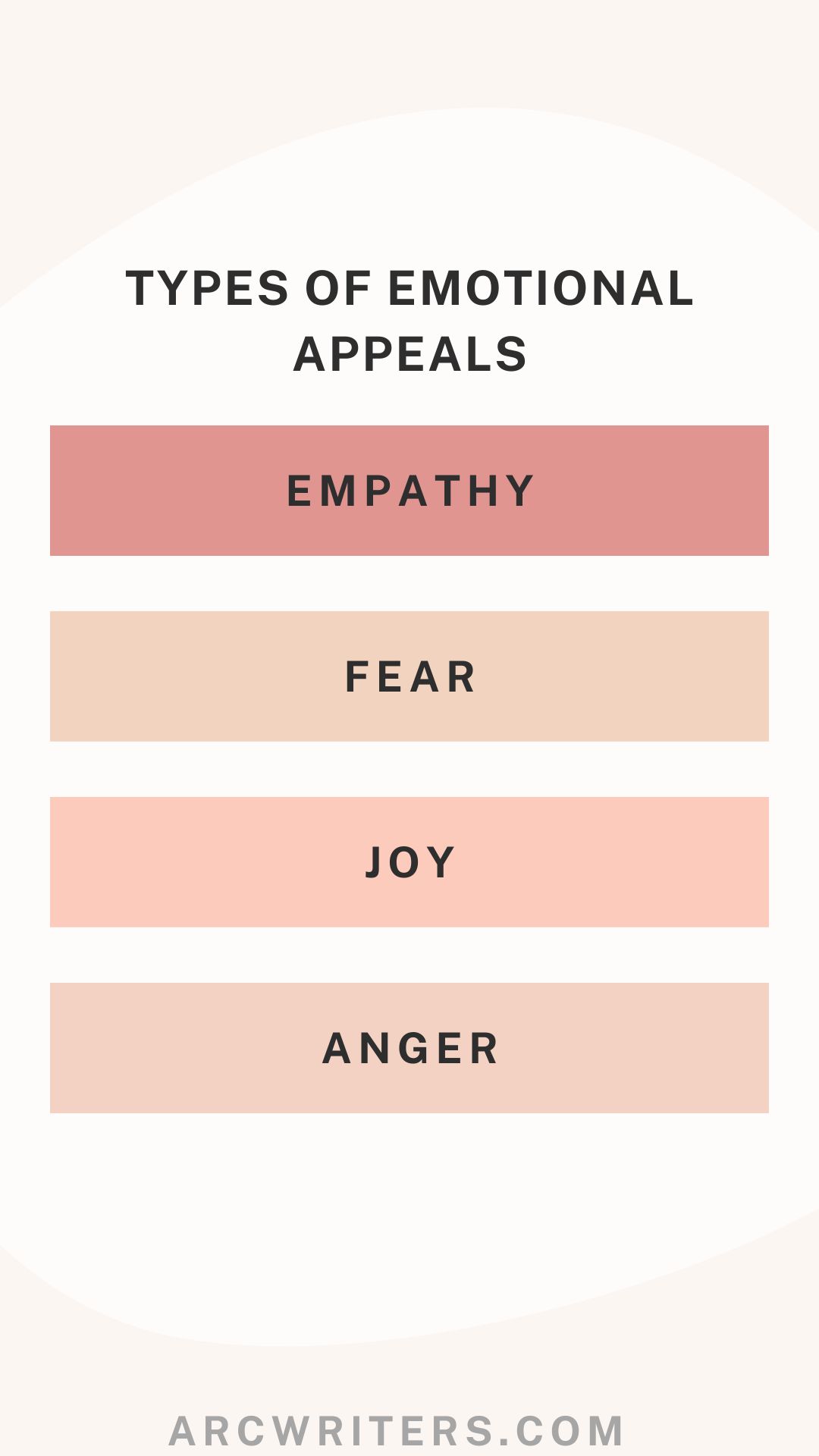
Before delving into the techniques of incorporating emotional appeals, it’s essential to understand the different types of emotions you can leverage in your persuasive essays. Some common emotional appeals include:
Emotional Appeals
- Empathy: Appealing to the audience’s ability to understand and share the feelings of others.
- Fear: Eliciting feelings of anxiety or apprehension to motivate action or compliance.
- Joy: Evoking feelings of happiness, satisfaction, or fulfillment to create a positive association with the argument.
- Anger: Provoking feelings of indignation or outrage to incite action or challenge existing beliefs.
- Sadness: Eliciting feelings of sympathy or sorrow to evoke compassion and support for a cause.
Each type of emotional appeal serves a specific purpose and can be employed strategically based on the context and objectives of your persuasive essay.
Strategies for Incorporating Emotional Appeals:
Now that we have a foundational understanding of emotional appeals, let’s explore effective strategies for incorporating them into your persuasive essays:
- Know Your Audience:
- Before crafting your emotional appeals, conduct research to understand your audience’s demographics, values, and beliefs.
- Tailor your emotional appeals to resonate with the emotions and experiences of your target audience.
- Tell Compelling Stories:
- Narratives have a profound impact on human emotions. Use storytelling techniques to illustrate your points and evoke empathy or sympathy.
- Incorporate real-life anecdotes, case studies, or personal experiences to make your arguments relatable and emotionally compelling.
- Use Vivid Imagery:
- Paint a vivid picture with words to evoke sensory experiences and elicit emotional responses from your readers.
- Describe scenes, settings, and characters in detail, appealing to the reader’s imagination and emotions.
- Appeal to Values and Beliefs:
- Identify shared values or beliefs within your audience and align your arguments with them.
- Frame your persuasive message in a way that reflects the audience’s core principles, reinforcing emotional resonance.
- Evoke Empathy:
- Highlight the human aspect of your topic by focusing on individuals or communities affected by the issue at hand.
- Use language that fosters empathy and understanding, encouraging readers to identify with the experiences of others.
- Address Concerns and Fears:
- Acknowledge and address potential fears or concerns that your audience may have regarding your argument.
- Offer reassurance or solutions to alleviate anxieties and build trust with your readers.
- Appeal to Aspirations:
- Tap into the audience’s aspirations, hopes, and dreams to inspire action or change.
- Paint a compelling vision of the future that aligns with the audience’s desires, motivating them to support your cause or idea.
- Use Emotional Language:
- Choose words and phrases that evoke strong emotions and resonate with the tone of your argument.
- Employ rhetorical devices such as similes, metaphors, and hyperbole to amplify emotional impact.
- Establish Credibility and Trust:
- While emotional appeals are powerful, they must be supported by credible evidence and logic.
- Build trust with your audience by citing reputable sources, providing data-driven insights, and demonstrating expertise on the topic.
- Maintain Ethical Integrity:
- Be mindful of the ethical implications of using emotional appeals, avoiding manipulation or exploitation of your audience’s emotions.
- Ensure that your arguments are based on truth, integrity, and genuine concern for the well-being of your audience and society as a whole.
Case Studies and Examples:
To illustrate the effectiveness of emotional appeals in persuasive essay writing, let’s examine a few case studies and examples:
- Environmental Advocacy:
- A persuasive essay advocating for environmental conservation might incorporate emotional appeals by highlighting the devastating impact of deforestation on wildlife habitats.
- By depicting the plight of endangered species and the loss of biodiversity, the essay evokes empathy and urgency, compelling readers to take action to protect the environment.
- Social Justice:
- An essay advocating for social justice reforms could appeal to readers’ sense of empathy by sharing the stories of individuals who have experienced discrimination or injustice.
- By humanizing the issue and showcasing the lived experiences of marginalized communities, the essay fosters empathy and solidarity, motivating readers to support equitable policies and initiatives.
- Public Health Campaigns:
- In a persuasive essay promoting public health initiatives such as vaccination, emotional appeals might be used to address fears and misconceptions.
- By sharing personal testimonials from healthcare workers or individuals impacted by vaccine-preventable diseases, the essay instills confidence and encourages vaccination uptake, ultimately saving lives.
Conclusion:
Incorporating emotional appeals is a nuanced yet powerful strategy for captivating your audience in persuasive essay writing. By understanding the different types of emotional appeals, employing effective strategies, and maintaining ethical integrity, you can craft compelling arguments that resonate deeply with your readers. Whether advocating for social change, promoting a cause, or persuading others to adopt a certain viewpoint, emotional appeals have the potential to inspire action, evoke empathy, and leave a lasting impact on your audience. Mastering the art of emotional persuasion is not only essential for effective writing but also for fostering meaningful connections and driving positive change in the world.
