
Abstract:
Chronic diseases pose a significant global health challenge, necessitating effective management strategies to enhance patient outcomes. Medication adherence plays a pivotal role in chronic disease management, influencing the progression of the condition and overall patient well-being. This comprehensive review explores the impact of nurse-led interventions on medication adherence in the context of chronic disease management. By examining existing literature, this paper aims to provide insights into the various nurse-led interventions, their effectiveness, and the potential mechanisms underlying their impact on medication adherence. The synthesis of evidence presented in this review contributes to our understanding of the crucial role nurses play in improving patient outcomes through targeted interventions in chronic disease management.
Introduction
Chronic diseases, characterized by prolonged duration and often slow progression, account for a substantial burden on healthcare systems worldwide. Effective management of chronic conditions requires a multi-faceted approach, with medication adherence standing out as a key determinant of successful outcomes. Poor adherence to prescribed medications is a pervasive issue, contributing to treatment failures, increased healthcare costs, and diminished quality of life for patients.
Nurse-led interventions have gained recognition as valuable tools in promoting medication adherence among individuals managing chronic diseases. Nurses, as frontline healthcare providers, possess unique skills and a patient-centered approach that can address the complex challenges associated with long-term medication adherence. This review explores the current literature to understand the impact of nurse-led interventions on medication adherence in chronic disease management.
The Significance of Medication Adherence in Chronic Disease Management
Medication adherence, defined as the extent to which patients take medications as prescribed by their healthcare providers, is critical for the successful management of chronic diseases. Non-adherence can lead to inadequate symptom control, disease progression, hospitalizations, and increased mortality rates. Understanding the factors influencing medication adherence is crucial for developing effective interventions that address the unique needs of patients managing chronic conditions.
2.1 Factors Influencing Medication Adherence
Several factors contribute to medication non-adherence, ranging from patient-related factors such as socioeconomic status, health literacy, and beliefs about illness and treatment, to healthcare system-related factors like communication between healthcare providers and patients, medication costs, and access to healthcare services. Psychosocial factors, including depression, anxiety, and social support, also play a role in determining medication adherence.
2.2 Consequences of Medication Non-Adherence
The consequences of medication non-adherence are profound, impacting both individual patients and the healthcare system. Uncontrolled symptoms and disease progression may result in increased emergency department visits, hospitalizations, and the need for more intensive medical interventions. This not only places a burden on healthcare resources but also compromises the quality of life for patients with chronic conditions.
Nurse-Led Interventions in Chronic Disease Management
Nurses, with their unique blend of clinical expertise, patient-centered approach, and ongoing relationships with patients, are well-positioned to address the complexities of medication adherence in chronic disease management. Nurse-led interventions encompass a wide range of strategies aimed at improving patient education, communication, and self-management skills.
3.1 Patient Education and Counseling
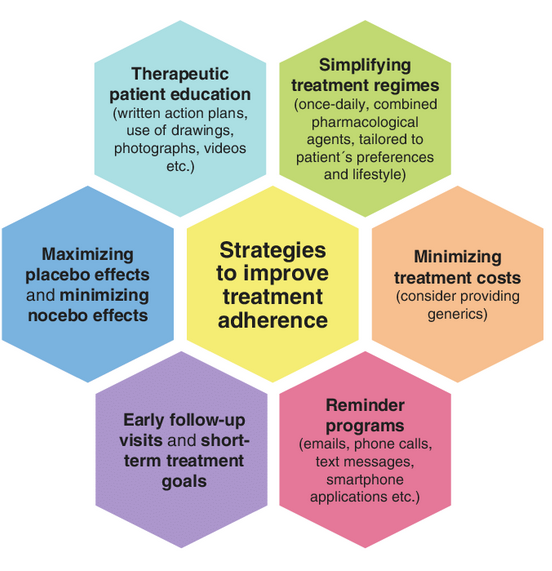
One of the primary roles of nurses in chronic disease management is to educate patients about their conditions and the importance of medication adherence. Moreover, Patient education goes beyond providing information about medications; it involves fostering an understanding of the disease process, potential complications, and the rationale behind the prescribed treatment plan.
Nurses can engage in one-on-one counseling sessions with patients to address their concerns, misconceptions, and barriers to adherence. Also, by tailoring education to the individual needs and preferences of patients, nurses can empower them to make informed decisions about their health and medication regimen.
3.2 Collaborative Care and Interprofessional Communication
Effective communication between healthcare providers is essential for delivering cohesive and patient-centered care. Nurses, serving as intermediaries between patients and other members of the healthcare team, play a crucial role in facilitating collaborative care. Moreover, Interprofessional communication ensures that all members of the healthcare team are informed about the patient’s treatment plan, goals, and progress.
In chronic disease management, nurses may lead interdisciplinary team meetings, coordinating efforts to enhance medication adherence. Furthermore, by fostering a collaborative environment, nurses can address any challenges or gaps in the patient’s care plan and work collectively towards optimizing adherence.
3.3 Medication Management and Simplification
Nurses can contribute significantly to medication management by conducting thorough medication reviews, identifying potential drug interactions, and assessing the patient’s ability to adhere to complex regimens. Simplifying medication regimens, when possible, is a nurse-led intervention that aims to reduce the burden on patients and enhance adherence.
This may involve working closely with prescribing physicians to streamline medication schedules, explore alternative formulations, or employ technologies such as pill organizers and reminder apps. Nurses can also assess and address barriers to medication access, including financial constraints and transportation issues, ensuring that patients can obtain and take their medications as prescribed.
3.4 Tailored Interventions for Diverse Populations
Chronic diseases affect individuals across diverse demographic and cultural backgrounds. Nurse-led interventions must be particularly tailored to meet the specific needs of different populations to address cultural, linguistic, and socioeconomic factors influencing medication adherence.
Culturally competent care involves understanding the unique beliefs, practices, and preferences of patients from various backgrounds. Moreover, nurses can adapt their communication styles, educational materials, and interventions to resonate with the cultural norms and values of the populations they serve, thereby enhancing the effectiveness of adherence interventions.
Evidence of Nurse-Led Interventions
Numerous studies have investigated the impact of nurse-led interventions on medication adherence in various chronic diseases. Also, the following sections highlight key findings from research across different medical conditions, emphasizing the diverse ways in which nurses contribute to improving medication adherence.
4.1 Cardiovascular Diseases
Cardiovascular diseases (CVD) represent a major category of chronic conditions where medication adherence is crucial for preventing adverse events. Nurse-led interventions in CVD management have shown positive effects on adherence rates.
A randomized controlled trial conducted by Ruppar et al. (2017) demonstrated that nurse-led interventions, including patient education, medication management, and lifestyle counseling, significantly improved medication adherence among patients with hypertension. The study emphasized the role of personalized care plans and ongoing support in fostering long-term adherence.
Similarly, a meta-analysis by Clark et al. (2014) examined the impact of nurse-led interventions on medication adherence in patients with heart failure. The analysis revealed that nurse-led interventions were associated with a significant improvement in adherence rates and a reduction in hospital readmissions. Moreover, the provision of ongoing support, medication titration, and close monitoring were identified as key components contributing to the success of these interventions.
4.2 Diabetes Mellitus
Diabetes mellitus, a chronic metabolic disorder, requires diligent medication adherence for optimal glycemic control. Nurse-led interventions in diabetes management have been shown to positively influence medication adherence and other health outcomes.
A study by Carbone et al. (2018) explored the impact of nurse-led interventions on medication adherence in patients with type 2 diabetes. Also, the intervention included personalized education, goal setting, and regular follow-up sessions. Results indicated a significant improvement in medication adherence and glycemic control, emphasizing the importance of continuous support and individualized care plans.
In another randomized controlled trial, Shi et al. (2017) evaluated the effectiveness of a nurse-led intervention in improving medication adherence and self-management behaviors in patients with diabetes. The intervention, which incorporated patient education, medication management, and lifestyle counseling, demonstrated a sustained improvement in adherence over the study period. The researchers concluded that nurse-led interventions have the potential to address the multifaceted challenges of diabetes management, including medication adherence.
4.3 Respiratory Diseases
Chronic respiratory diseases, such as asthma and chronic obstructive pulmonary disease (COPD), pose unique challenges to medication adherence due to the often long-term nature of treatment. Nurse-led interventions in respiratory disease management have shown promise in improving adherence and reducing exacerbations.
A systematic review by Krishnan et al. (2015) examined the impact of nurse-led interventions on medication adherence and health outcomes in patients with asthma. The review identified a variety of nurse-led strategies, including patient education, personalized action plans, and regular follow-up, that contributed to improved adherence and better asthma control. The authors highlighted the need for ongoing support and communication to address barriers to adherence in this population.
Similarly, a study by Bourbeau et al. (2018) investigated the role of nurse-led interventions in enhancing medication adherence and self-management in patients with COPD. The intervention involved a combination of education, medication management, and individualized care plans. Results indicated a significant improvement in medication adherence and a reduction in COPD-related hospitalizations, emphasizing the potential of nurse-led interventions in optimizing outcomes for individuals with chronic respiratory diseases.
Mechanisms Underlying Nurse-Led Interventions
The success of nurse-led interventions in improving medication adherence can be attributed to several key mechanisms that address the complex interplay of factors influencing patient behavior and decision-making.
5.1 Building Therapeutic Relationships
Nurses, through their continuous and often long-term relationships with patients, can establish strong therapeutic alliances. Building trust and rapport with patients creates an open and supportive environment, facilitating effective communication and shared decision-making. Also, therapeutic relationships contribute to a patient’s willingness to disclose concerns or challenges related to medication adherence, allowing nurses to tailor interventions to individual needs.
5.2 Individualized and Patient-Centered Care
Nurse-led interventions prioritize individualized and patient-centered care, recognizing that one-size-fits-all approaches may not effectively address the diverse needs and preferences of patients. Moreover, by tailoring interventions to each patient’s unique circumstances, including cultural background, socioeconomic status, and health literacy, nurses enhance the relevance and effectiveness of adherence strategies.
5.3 Health Literacy and Education
Nurses play a crucial role in improving health literacy by providing clear and accessible information about chronic diseases and their management. Educating patients about the importance of medication adherence, potential side effects, and the overall treatment plan enhances their understanding and commitment to self-care. Health literate patients are more likely to actively participate in their care, including adhering to prescribed medications.
5.4 Continuous Support and Follow-Up
The longitudinal nature of nurse-patient relationships enables continuous support and follow-up, essential components of successful adherence interventions. Regular check-ins, either through in-person visits, phone calls, or digital communication, allow nurses to monitor progress, address emerging issues, and reinforce positive behaviors. The ongoing support provided by nurses helps sustain patient motivation and engagement in the management of their chronic conditions.
5.5 Behavioral and Cognitive Approaches
Nurse-led interventions often incorporate behavioral and cognitive approaches to address the psychological aspects of medication adherence. By exploring patients’ beliefs, attitudes, and motivations, nurses can identify cognitive barriers and behavioral patterns that may contribute to non-adherence. Interventions, such as motivational interviewing and cognitive-behavioral techniques, empower patients to overcome these barriers and develop positive adherence behaviors.
Challenges and Future Directions
While nurse-led interventions have demonstrated positive impacts on medication adherence in chronic disease management, several challenges and areas for improvement exist.
6.1 Resource Constraints
Resource constraints, including staffing shortages and time limitations, may hinder the implementation of nurse-led interventions in some healthcare settings. Also, To overcome these challenges, healthcare organizations must recognize the value of nurse-led care and allocate sufficient resources to support the integration of these interventions into routine practice.
6.2 Integration of Technology
The integration of technology, such as telehealth platforms and mobile health applications, presents an opportunity to enhance nurse-led interventions. Incorporating digital tools can facilitate remote monitoring, provide timely reminders, and improve communication between nurses and patients. However, ensuring equitable access to technology and addressing potential privacy concerns are critical considerations.
6.3 Tailoring Interventions to Diverse Populations
The effectiveness of nurse-led interventions relies on the ability to tailor approaches to the diverse needs of patient populations. Moreover, future research should focus on understanding the unique challenges faced by different demographic and cultural groups, allowing for the development of targeted interventions that address specific barriers to medication adherence.
6.4 Interprofessional Collaboration
While nurse-led interventions are valuable, collaboration among healthcare providers remains essential. Strengthening interprofessional communication and teamwork particularly ensures a comprehensive approach to chronic disease management, with nurses acting as integral members of the healthcare team.
Conclusion
Nurse-led interventions play a crucial role in improving medication adherence and, consequently, enhancing outcomes in chronic disease management. The evidence presented in this comprehensive review underscores the diverse strategies employed by nurses across various chronic conditions, from cardiovascular diseases to respiratory disorders and diabetes mellitus.
The success of nurse-led interventions lies in their ability to build therapeutic relationships, provide individualized and patient-centered care, address health literacy, offer continuous support, and incorporate behavioral and cognitive approaches. Moreover, as healthcare continues to evolve, recognizing and prioritizing the contributions of nurses in chronic disease management is essential for achieving optimal patient outcomes.
Addressing the challenges associated with resource constraints, leveraging technology, tailoring interventions to diverse populations, and fostering interprofessional collaboration are crucial steps in advancing the field of nurse-led interventions. By doing so, healthcare systems can capitalize on the unique strengths of nurses and further integrate their expertise into the comprehensive care of individuals managing chronic diseases. Ultimately, the impact of nurse-led interventions on medication adherence extends far beyond the individual patient, influencing the overall well-being of communities and contributing to the advancement of population health.