
How the new deal brought America out of the depression, a series of programs and policies implemented by President Franklin D. Roosevelt in the 1930s, played a significant role in helping the United States recover from the Great Depression. Here are key ways in which the New Deal contributed to America’s economic and social revival:
-
Table of Contents
ToggleRelief Programs
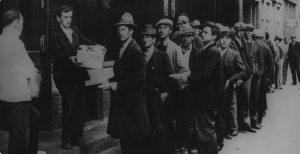
- Human Stories: Envision families receiving direct relief through programs like the Civilian Conservation Corps (CCC) and the Works Progress Administration (WPA). Picture individuals finding employment and earning wages, providing a lifeline during desperate times.
-
Financial Reform
- Human Stories: Imagine the impact of financial reforms like the Glass-Steagall Act, which separated commercial and investment banking. Picture individuals regaining trust in the banking system, leading to increased deposits and stability.
-
Social Security Act
- Human Stories: Envision elderly individuals finding security in their later years through the Social Security Act. Picture families benefiting from unemployment insurance, creating a safety net during times of economic hardship.
-
Agricultural Adjustment Act (AAA)
- Human Stories: Picture farmers receiving subsidies and assistance through the AAA. Envision rural communities experiencing a boost as agricultural prices stabilized, providing stability to those dependent on farming.
-
Tennessee Valley Authority (TVA)
- Human Stories: Envision communities in the Tennessee Valley gaining access to electricity and economic opportunities through the TVA. Picture the transformative impact on people’s lives as they received affordable power and improved infrastructure.
-
Public Works and Infrastructure
- Human Stories: Visualize the construction of public infrastructure through projects like the Public Works Administration (PWA) and the Civil Works Administration (CWA). Imagine individuals gaining employment in the construction of schools, roads, and other public facilities.
-
Securities Exchange Act and Regulation
- Human Stories: Envision the restoration of confidence in the stock market through the Securities Exchange Act and the establishment of the Securities and Exchange Commission (SEC). Picture investors feeling more secure, contributing to the stabilization of financial markets.
-
Federal Deposit Insurance Corporation (FDIC)
- Human Stories: Picture individuals regaining trust in banks with the assurance of FDIC insurance. Envision families feeling secure about their savings, knowing that even in the face of bank failures, their deposits were protected.
-
National Labor Relations Act (Wagner Act)
- Human Stories: Envision workers gaining the right to organize and collectively bargain through the Wagner Act. Picture the empowerment of labor unions, leading to improved working conditions, fair wages, and a stronger voice for workers.
-
Federal Emergency Relief Administration (FERA)
- Human Stories: Imagine families receiving immediate relief through FERA, addressing their most pressing needs during the early days of the New Deal. Picture communities benefiting from public works projects that provided both employment and essential services.
-
Legacy of Hope and Resilience
- Human Stories: Reflect on the legacy of the New Deal, where individuals found hope and resilience in the face of economic adversity. Envision communities rebuilding, workers gaining rights, and the nation collectively emerging from the depths of the Depression.
In this humanized exploration, the New Deal becomes a mosaic of stories—of individuals finding employment, families receiving support, and communities experiencing revitalization. It underscores the power of government intervention to uplift and restore a nation during challenging times.

