
Introduction:
Acute respiratory diseases represent a significant burden on global public health, encompassing a wide range of conditions that affect the respiratory system. While many cases are mild and self-limiting, acute respiratory diseases can lead to severe complications, especially in vulnerable populations such as the elderly, young children, and individuals with underlying health conditions. In this discussion, we will explore the various complications associated with acute respiratory diseases, ranging from immediate physiological effects to long-term sequelae, and discuss their implications for patient management and public health strategies.
Pulmonary Complications:
a. Pneumonia:
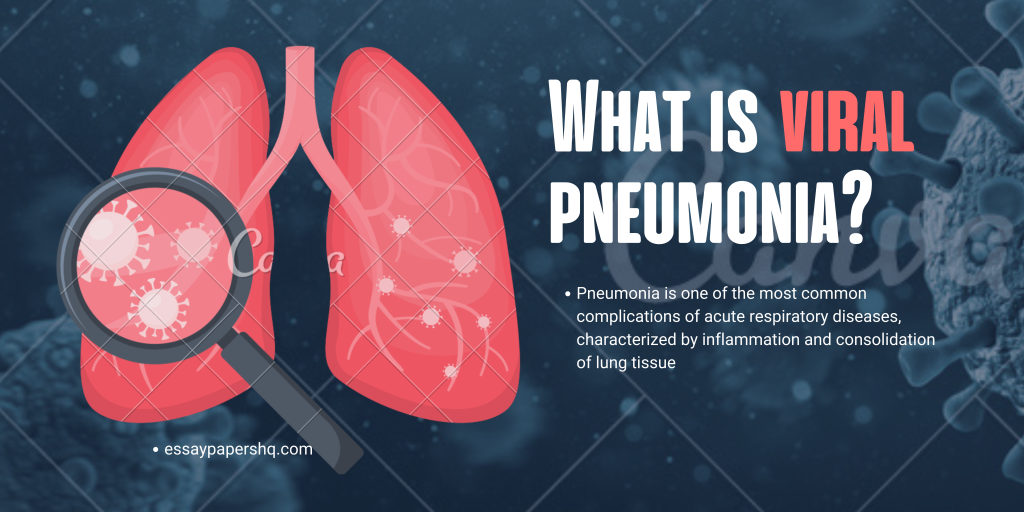
- Pneumonia is one of the most common complications of acute respiratory diseases, characterized by inflammation and consolidation of lung tissue.Bacterial, viral, and fungal pathogens can cause pneumonia, leading to symptoms such as fever, cough, chest pain, and difficulty breathing.Severe cases of pneumonia can progress to respiratory failure, sepsis, and even death, particularly in immunocompromised individuals and those with pre-existing lung conditions.
ARDS is a severe form of acute respiratory failure characterized by widespread inflammation and injury to the alveolar-capillary membrane.
It can develop as a complication of various acute respiratory diseases, including pneumonia, sepsis, and trauma.
ARDS manifests clinically with severe hypoxemia, dyspnea, and respiratory distress, often necessitating mechanical ventilation in intensive care settings.
Long-term complications of ARDS may include pulmonary fibrosis and impaired lung function.
Cardiovascular Complications:
a. Cardiac Arrhythmias:
- Acute respiratory diseases can predispose individuals to cardiac arrhythmias through various mechanisms, including hypoxemia, electrolyte imbalances, and systemic inflammation.Common arrhythmias observed in this context include atrial fibrillation, atrial flutter, and ventricular tachycardia.Arrhythmias may exacerbate hemodynamic instability and contribute to adverse outcomes in patients with acute respiratory diseases.
Severe respiratory infections, such as influenza and COVID-19, have been associated with an increased risk of acute myocardial infarction (heart attack).
Systemic inflammation, hypoxemia, and increased metabolic demand during acute illness can precipitate myocardial ischemia and infarction, particularly in individuals with underlying cardiovascular risk factors.
Neurological Complications
a. Encephalopathy:
- Acute respiratory diseases can lead to neurological complications, including encephalopathy and delirium, through mechanisms such as hypoxemia, systemic inflammation, and metabolic disturbances.Encephalopathy presents with altered consciousness, confusion, agitation, and cognitive impairment, complicating the clinical course and management of affected individuals.
Emerging evidence suggests an association between acute respiratory infections and an increased risk of ischemic and hemorrhagic stroke.
Inflammatory processes, endothelial dysfunction, and hypercoagulability during acute illness may contribute to cerebrovascular events, emphasizing the need for vigilance in stroke prevention and management in affected patients.
Renal Complications:
a. Acute Kidney Injury (AKI):
Acute respiratory diseases can precipitate AKI through hemodynamic instability, systemic inflammation, nephrotoxic medications, and direct renal injury.
AKI complicates the clinical course of patients with respiratory failure, necessitating renal replacement therapy in severe cases and impacting overall prognosis and recovery.
Long-Term Sequelae:
a. Post-Acute Respiratory Syndrome (PARS):
Some individuals experience persistent respiratory symptoms and functional impairment following recovery from acute respiratory diseases, a condition known as PARS.
Common symptoms include dyspnea, cough, fatigue, and exercise intolerance, which can significantly impact quality of life and functional status.
PARS highlights the importance of comprehensive post-acute care and rehabilitation services for individuals recovering from severe respiratory infections.
Conclusion:
Acute respiratory diseases pose a myriad of complications that extend beyond the respiratory system, affecting multiple organ systems and contributing to significant morbidity and mortality. Understanding the diverse spectrum of complications associated with these conditions is essential for timely recognition, appropriate management, and implementation of preventive strategies. Multidisciplinary approaches, including critical care, cardiology, nephrology, and neurology, are crucial for addressing the complex needs of patients with acute respiratory diseases and mitigating the burden of associated complications on public health systems. Moreover, ongoing research is needed to elucidate the pathophysiological mechanisms underlying these complications and to develop targeted interventions aimed at improving outcomes and long-term prognosis for affected individuals.