
Introduction
Narrative essays serve as a canvas for personal expression, allowing writers to weave their experiences, emotions, and insights into compelling stories. However, crafting a narrative that captivates readers requires more than just recounting events—it demands a mastery of storytelling techniques. In this exploration, we delve into the intricacies of narrative essay writing, uncovering powerful strategies to enhance storytelling and leave a lasting impact on the audience.
Understanding the Essence of Narrative Essays
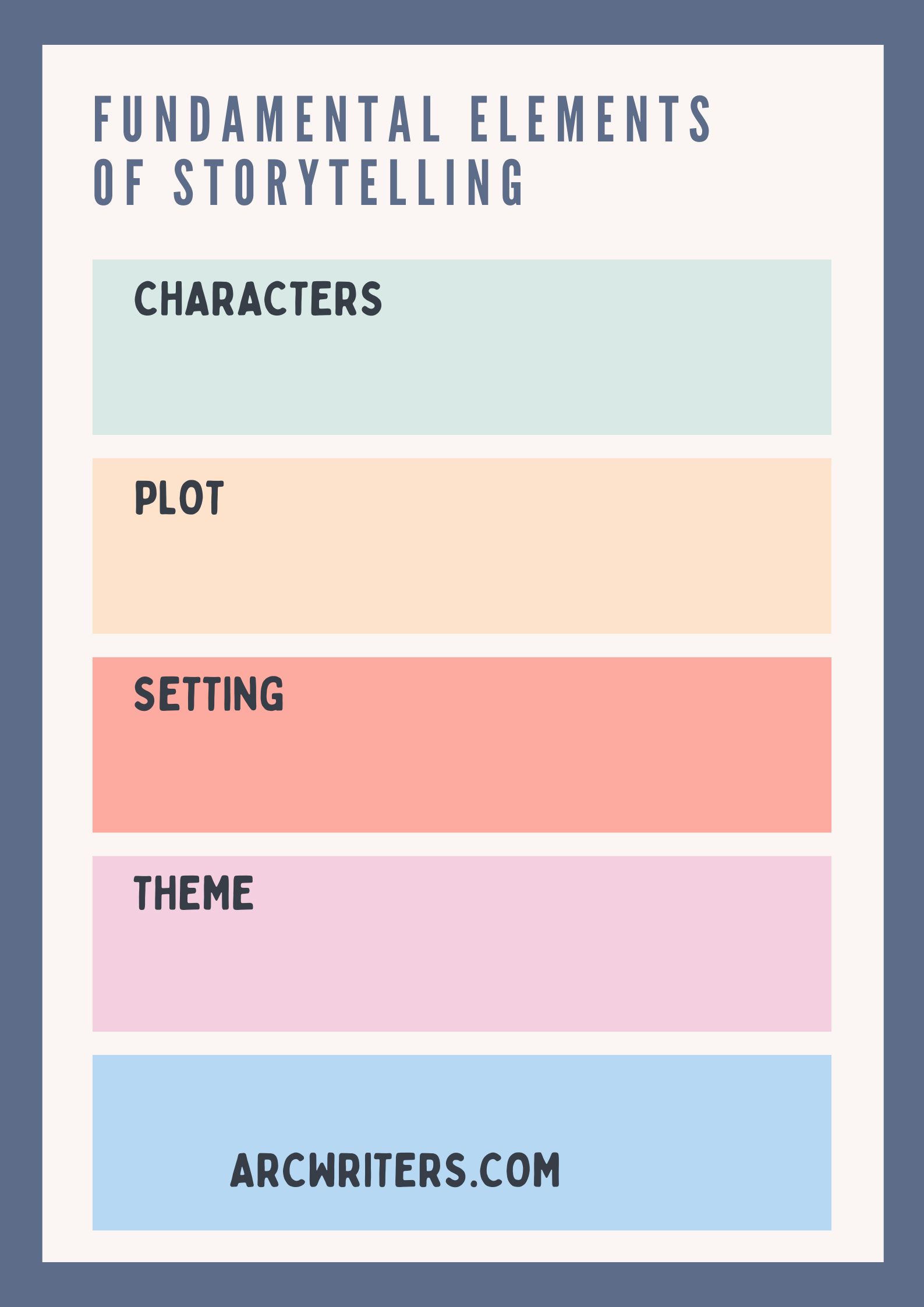
At its core, storytelling is about weaving a cohesive narrative that engages readers on an emotional level. Before delving into specific techniques, it’s crucial to understand the fundamental elements of storytelling:
Narrative Essays
- Characters: Compelling characters are the heart of any narrative essay. They drive the story forward, evoke empathy from readers, and undergo transformation or growth throughout the narrative.
- Plot: The plot serves as the framework upon which the story unfolds. It encompasses the sequence of events, conflicts, and resolutions that propel the narrative forward and maintain reader interest.
- Setting: The setting provides context for the story, establishing the time, place, and atmosphere in which the events occur. A vividly depicted setting immerses readers in the world of the narrative.
- Theme: The theme is the underlying message or central idea explored in the narrative. It adds depth and resonance to the story, prompting readers to reflect on broader concepts and universal truths.
Now that we’ve outlined the foundational elements of storytelling, let’s delve into techniques and strategies to enhance each aspect of narrative essays:
Establishing a Strong Narrative Voice
One of the hallmarks of an exceptional narrative essay is a distinct narrative voice that resonates with readers. The narrative voice encompasses the writer’s tone, style, and perspective, shaping the way the story is perceived. To enhance storytelling, writers must cultivate a voice that is authentic, engaging, and reflective of their unique identity and experiences.
Creating Vivid Imagery through Descriptive Detail
Effective storytelling hinges on the ability to paint a vivid picture in the minds of readers. Descriptive detail plays a pivotal role in this process, allowing writers to evoke sensory experiences and immerse readers in the narrative world. By leveraging descriptive language, vivid imagery, and sensory details, writers can bring their stories to life and forge a deeper connection with the audience.
Exploring Thoughtful Themes:
- Subtext: Infuse the narrative with layers of meaning and subtext that invite readers to ponder deeper themes and ideas. Explore universal truths, moral dilemmas, and philosophical questions that resonate with readers on a personal level.
- Symbolism: Employ symbolism to convey thematic concepts in a subtle yet powerful manner. Whether it’s recurring motifs, allegorical elements, or symbolic imagery, symbolism adds richness and depth to the narrative’s thematic exploration.
- Emotional Resonance: Connect themes to the emotional experiences of characters and readers alike. By eliciting empathy, empathy, and reflection, themes become more than abstract concepts—they become powerful catalysts for emotional engagement and personal introspection.
Mastering the Art of Characterization
Central to any narrative essay are the characters who populate the story, whether they be the writer themselves or individuals they encounter along the way. Skillful characterization breathes life into these characters, endowing them with depth, complexity, and relatability. Through nuanced portrayal, dialogue, and action, writers can imbue their characters with authenticity and make them resonate with readers on a profound level.
Navigating the Narrative Arc
The narrative arc serves as the framework upon which the story unfolds, guiding readers from exposition to resolution. At its essence, the narrative arc consists of the introduction, rising action, climax, falling action, and resolution. By understanding the dynamics of the narrative arc, writers can effectively structure their essays to build tension, evoke emotional responses, and deliver satisfying conclusions.
Harnessing the Power of Conflict and Tension
Conflict lies at the heart of compelling storytelling, driving the narrative forward and engaging readers’ interest. Whether internal or external, conflict serves as a catalyst for change, forcing characters to confront obstacles, make choices, and undergo growth. By infusing their narratives with conflict and tension, writers can create a sense of urgency and suspense that keeps readers eagerly turning the pages.
Crafting Memorable Beginnings and Endings
The opening and closing moments of a narrative essay are crucial for capturing readers’ attention and leaving a lasting impression. A compelling introduction sets the stage for the story, drawing readers in with a captivating hook or intriguing question. Conversely, a well-crafted conclusion provides closure while leaving room for reflection, leaving readers with a sense of resonance and significance.
Incorporating Narrative Techniques:
- Point of View: Choose a narrative perspective that best serves the story and enhances reader engagement. Whether it’s first-person, third-person limited, or omniscient, the narrative point of view shapes readers’ perception of characters, events, and themes.
- Foreshadowing: Plant seeds of anticipation and intrigue by foreshadowing future events or revelations within the narrative. Strategic foreshadowing builds suspense, adds depth to the plot, and rewards attentive readers with satisfying payoffs.
- Flashbacks and Flash-forwards: Employ non-linear narrative techniques such as flashbacks and flash-forwards to provide context, reveal backstory, or foreshadow future events. These devices add complexity and depth to the narrative structure, enriching the reader’s understanding of characters and plot dynamics.
Experimenting with Narrative Structure and Form
While traditional narrative essays often follow a linear chronological structure, writers can experiment with different narrative forms and techniques to enhance storytelling. Flashbacks, flash-forwards, nonlinear timelines, and fragmented narratives offer opportunities to explore themes of memory, perception, and reality. By pushing the boundaries of narrative structure, writers can create innovative and thought-provoking essays that defy conventions and spark dialogue.
Embracing Revision and Iteration
The journey to mastery in narrative essay writing is paved with revision and iteration. Revising allows writers to refine their storytelling techniques, tighten prose, and deepen thematic resonance. It involves scrutinizing every word, sentence, and paragraph with a critical eye, seeking opportunities to enhance clarity, coherence, and impact. Through a process of continual refinement, writers can elevate their narrative essays from good to great.
Conclusion
Mastering the art of storytelling is a lifelong pursuit—one that requires dedication, practice, and a willingness to explore new possibilities. By embracing powerful techniques and strategies, writers can enhance the storytelling in their narrative essays and create narratives that resonate with readers on a profound level. As we continue to uncover the craft of narrative essay writing, let us embark on a journey of discovery, reflection, and transformation—one story at a time.
